Best Time to Trek Morocco
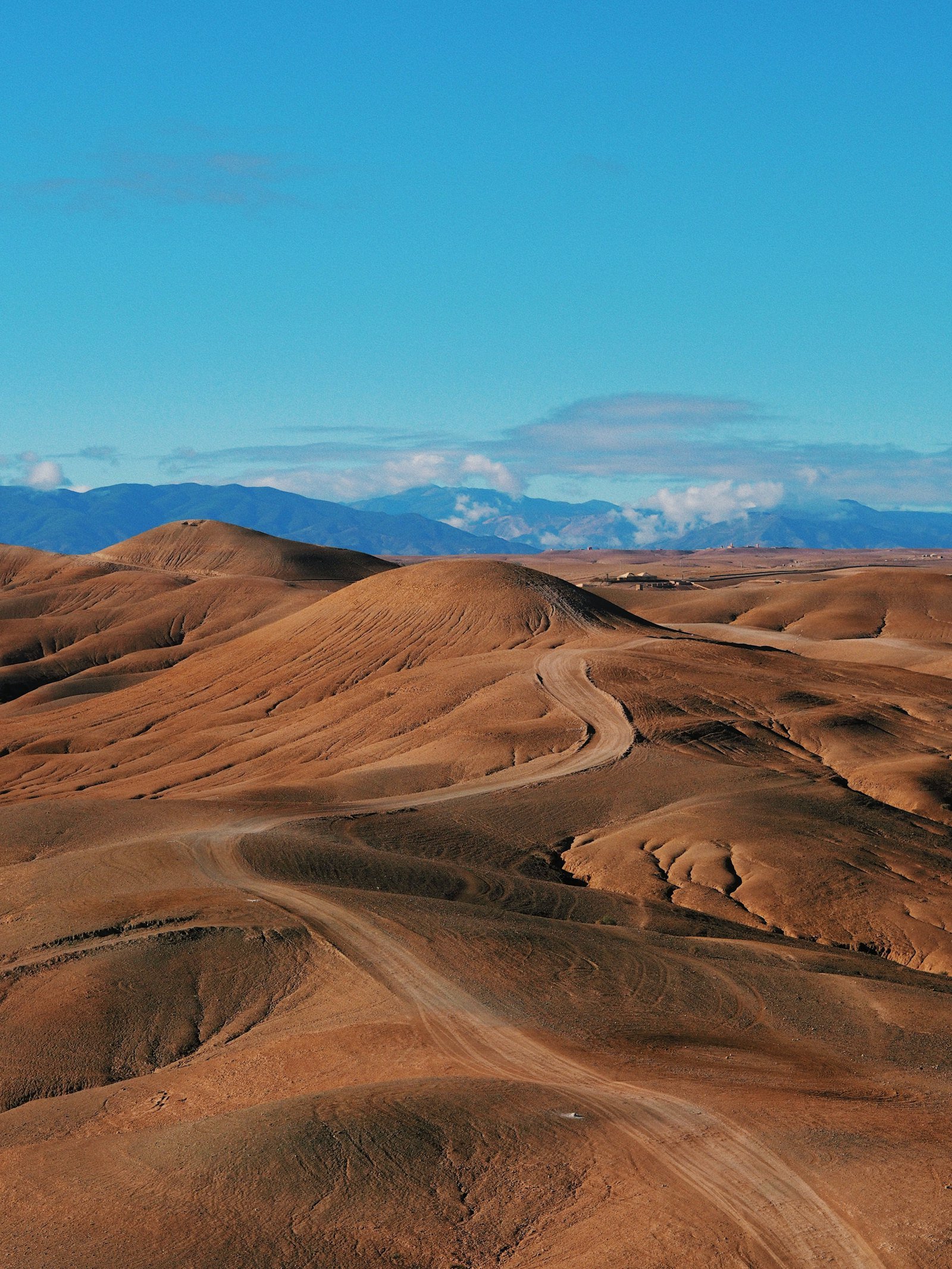
The best time to trek in Morocco is April–May and September–October for most treks. Summer suits the highest routes (Toubkal, M'Goun); winter brings snow that closes high passes but opens winter Toubkal ascents.
Multi-day trekking adds a layer of planning on top of day hiking — refuge beds fill up, high passes hold snow, and mule-team logistics need lead time. This guide covers each season from a trekker's perspective and gives the best window for every major trek.
Spring trekking (April–May)
Spring is a prime trekking season — mild days, green valleys and snowmelt-fed streams. Refuge beds are available but book 2+ weeks ahead for Toubkal in May. High passes (M'Goun, Toubkal upper slopes) may still hold snow in early April; check conditions. Prices are moderate.
Summer trekking (June–August)
Summer is peak season for the high summits — cool walking at altitude with long daylight. Toubkal and M'Goun refuges are busy and prices are at their highest; book well ahead. Lower valleys and Saghro are too hot. Start early to beat afternoon heat on approach days.
Autumn trekking (September–October)
Autumn is the other prime season — stable weather after the summer heat breaks, golden light and comfortable temperatures. September is ideal for the high summits; October for lower treks. Refuge beds book up 2+ weeks ahead in September–October.
Winter trekking (November–March)
Snow closes most high passes above 3,000 m, but winter Toubkal ascents are a genuine mountaineering objective with crampons and ice axe (we run guided trips). Lower cultural treks (Aït Bougmez, lower Azzaden) remain possible. Prices are at their lowest and the mountains are quiet.
Best season for each trek
| Trek | Best season | Avoid |
|---|---|---|
| Toubkal 2/3-day | May–Oct | Jan–Mar (snow, unless winter ascent) |
| Azzaden Circuit | May–Oct | Dec–Apr (high pass snow) |
| M'Goun Traverse | Jun–Sep | Nov–May (snow) |
| Siroua | Apr–Oct | Jul–Aug (heat), Nov–Mar (snow) |
| Saghro | Oct–Apr | Jun–Sep (extreme heat) |
| Aït Bougmez | May–Oct | Dec–Mar (high pass snow) |
Frequently asked questions
What is the best month to trek in Morocco?
May and September are the single best months for most treks — mild, stable and good across altitudes. June–August suits the highest summits; October is ideal for lower treks.
When is it too hot for trekking?
July–August in the low valleys, the approach days, and Saghro (35°C+). At altitude it remains comfortable. Choose high routes and start early in summer.
When does it snow on the treks?
Above 3,000 m, snow falls from November and can linger into May. Toubkal, M'Goun and high passes hold snow December–April. Winter Toubkal ascents are possible with crampons and an experienced local mountain guide.
When are there the fewest crowds on treks?
Winter (November–March) is quietest, especially on lower cultural treks. Siroua and Saghro are quiet year-round. Summer is the busiest on the high summits.
When are trek prices lowest?
Winter (November–March) is the lowest-price season. Summer is the highest, especially for the high summits and refuge-based treks.
Which season is best for families trekking?
Spring and autumn — mild weather and comfortable walking on cultural treks like Aït Bougmez and lower Azzaden. Avoid summer heat and winter high-altitude snow with children.
Can I trek in winter?
Yes — winter Toubkal ascents with crampons and ice axe are a genuine mountaineering objective. Lower cultural treks (Aït Bougmez, lower Azzaden) also work. Most high passes are closed by snow.
Which season has the best weather for trekking?
September–October — stable, mild and clear after the summer heat breaks. May is also excellent. Both are the safest bets for good conditions.
Related tours
- Toubkal 2 Day Trek — Guided Climb of North Africa's Highest Peak
- Toubkal Circuit Trek — Azzaden Valley to Mount Toubkal Summit
- Mgoun Massif Traverse — 6 Days
- Siroua Trek — Jebel Siroua Volcanic Highlands Hike
Related destinations
Related guides
- Best Time to Hike Morocco: Seasonal Guide to Weather & Conditions
- Trekking in Morocco: Complete Guide to Multi-Day Mountain Treks
- Best Treks in Morocco: Top Multi-Day Mountain Trekking Adventures
- Best Places to Trek in Morocco: Top Multi-Day Trekking Regions
Ask a local guide · Request a custom itinerary · Browse all tours