How to Prepare for a Day Hike in the Atlas Mountains
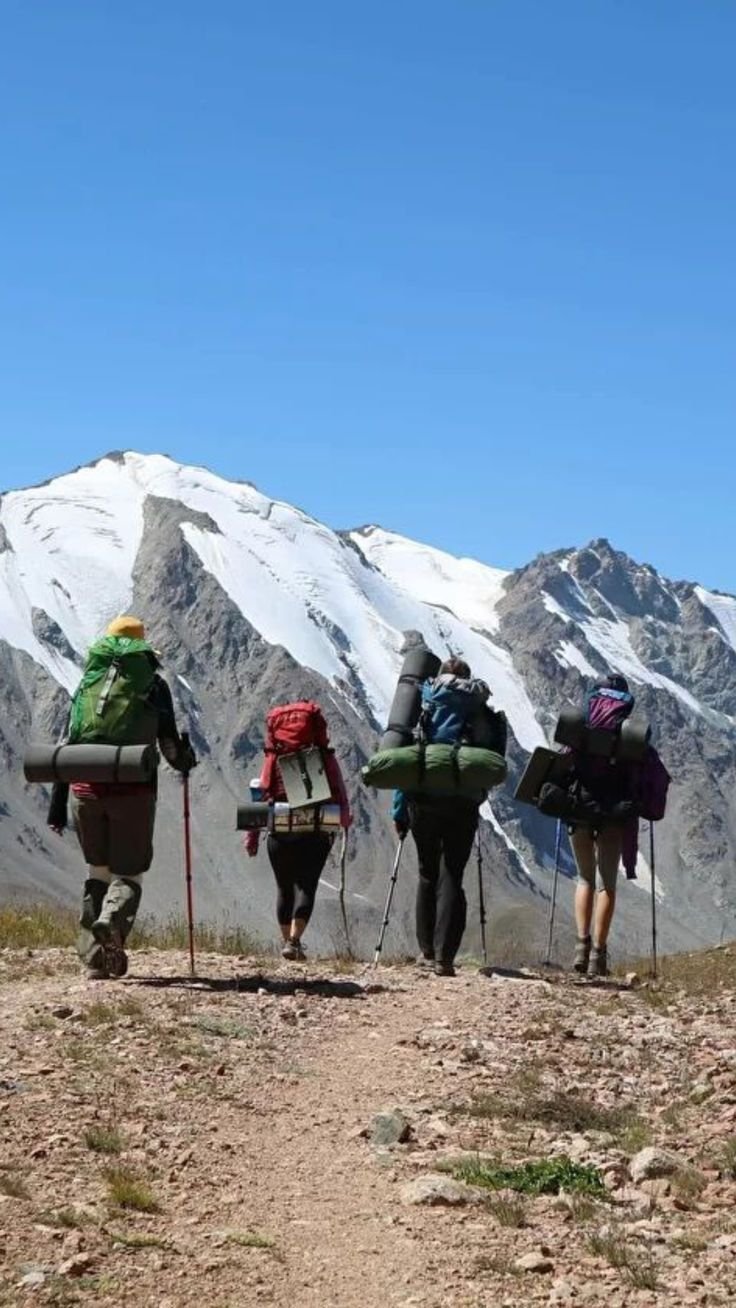
Footwear, clothing, water and fitness — the practical preparation that makes a day hike in the Atlas enjoyable, based only on what the trails actually demand.
Preparation makes the day
A day hike in the Atlas Mountains is within reach of almost anyone who walks regularly, but a little preparation makes the difference between a hard slog and a joyful day. This guide covers the essentials — footwear, clothing, water, sun protection and fitness — using only the facts that matter on the trail.
Every guided day hike from Marrakech includes a local guide, a cooked lunch, bottled water and private transfers, so you carry only a light daypack. Your job is to arrive with the right shoes, the right layers and realistic expectations.
Footwear: the single most important choice
Broken-in walking shoes or light boots with good grip are the one piece of gear that matters most. Atlas trails are rocky and uneven, and the scramble to waterfalls like Setti Fatma involves wet stone. Never wear new shoes on a hike — blisters are the most common problem we see.
For easy valley walks (Imlil, Ourika, Kik Plateau, Ouirgane), sturdy trail shoes with grip are enough. For the summit day hikes (Talamroute, ISK), choose boots with ankle support.
Clothing and the layering principle
Mountain temperatures swing between a cool morning start and a warm midday. Dress in three adaptable layers: a moisture-wicking base, an insulating mid-layer (fleece or light jacket), and a windproof, waterproof shell. This lets you add and remove layers as conditions change.
Avoid cotton, which holds sweat and chills you on exposed ridges. Even on a summer day hike, carry a warm layer — the summit day hikes reach above 2,500 m where it is noticeably colder and windier.
Water and sun protection
Dehydration and sun exposure are the two most common avoidable problems on Atlas trails. The air is dry and the sun is intense. Carry 2 litres of water per person (bottled water is provided on guided hikes) and drink steadily, not just when thirsty.
A sun hat, sunglasses and high-SPF sunscreen are essential even on overcast days. The sun is far stronger at altitude than at sea level.
Fitness for a day hike
Most day hikes need no special fitness beyond the ability to walk for 3 to 5 hours on uneven ground. The easy valley walks (Imlil, Ourika, Kik Plateau, Ouirgane) involve 300 to 400 m of ascent and suit anyone who walks regularly. The summit day hikes (Talamroute, ISK) involve about 1,000 m of ascent over 6 hours and need moderate fitness.
What to bring — checklist
Pack light. You carry only a daypack; lunch and water are provided.
- Broken-in walking shoes or light boots with grip.
- Layered clothing: base, fleece, windproof shell.
- Warm layer for the summit (if applicable).
- 2 L of water (provided), small daypack.
- Sun hat, sunglasses, high-SPF sunscreen, lip balm.
- Trekking poles (recommended for descents).
- Camera, cash in small notes for village purchases.
What you do not need to bring
You do not need to bring lunch, water, a map, a first-aid kit or navigation equipment — your guide carries those and handles navigation. You do not need crampons or technical gear for summer day hikes; winter summit hikes above 2,500 m are subject to guide and weather checks, and any needed equipment is discussed before departure.
Frequently asked questions
Do I need special hiking boots for a day hike?
For easy valley walks, sturdy trail shoes with good grip are enough. For the summit day hikes (Talamroute, ISK), boots with ankle support are recommended. The key is that whatever you wear is broken in — never wear new shoes on a hike.
How much water should I carry on a day hike?
2 litres per person. Bottled water is provided on guided day hikes, but carry it in your own daypack and drink steadily throughout the day, not just when thirsty.
What should I wear for a day hike in the Atlas?
A layering system: a moisture-wicking base, a fleece or light jacket, and a windproof shell. Avoid cotton. Add a warm layer for summit day hikes above 2,500 m, even in summer.
Do I need to be fit for a day hike?
Most day hikes need only general walking fitness — the ability to walk 3 to 5 hours on uneven ground. The summit day hikes involve about 1,000 m of ascent over 6 hours and need moderate fitness.
Is lunch included, or should I bring my own?
A cooked lunch is included on every guided day hike, served in a Berber home or village restaurant. You do not need to bring food. Bottled water is also provided.
Do I need trekking poles?
They are recommended, not mandatory. They help most on the descents, where they reduce impact on your knees. They are particularly useful on the summit day hikes.
Related tours
- Imlil Day Hike from Marrakech — Berber Villages & Atlas Valley Walk
- Talamroute Summit Day Hike from Marrakech — High Atlas Summit via Tizi n’Tamatert
- ISK Summit Day Hike from Marrakech — Forest, Toubkal Views & Waterfall Return