Hiking in Morocco: The Complete Guide
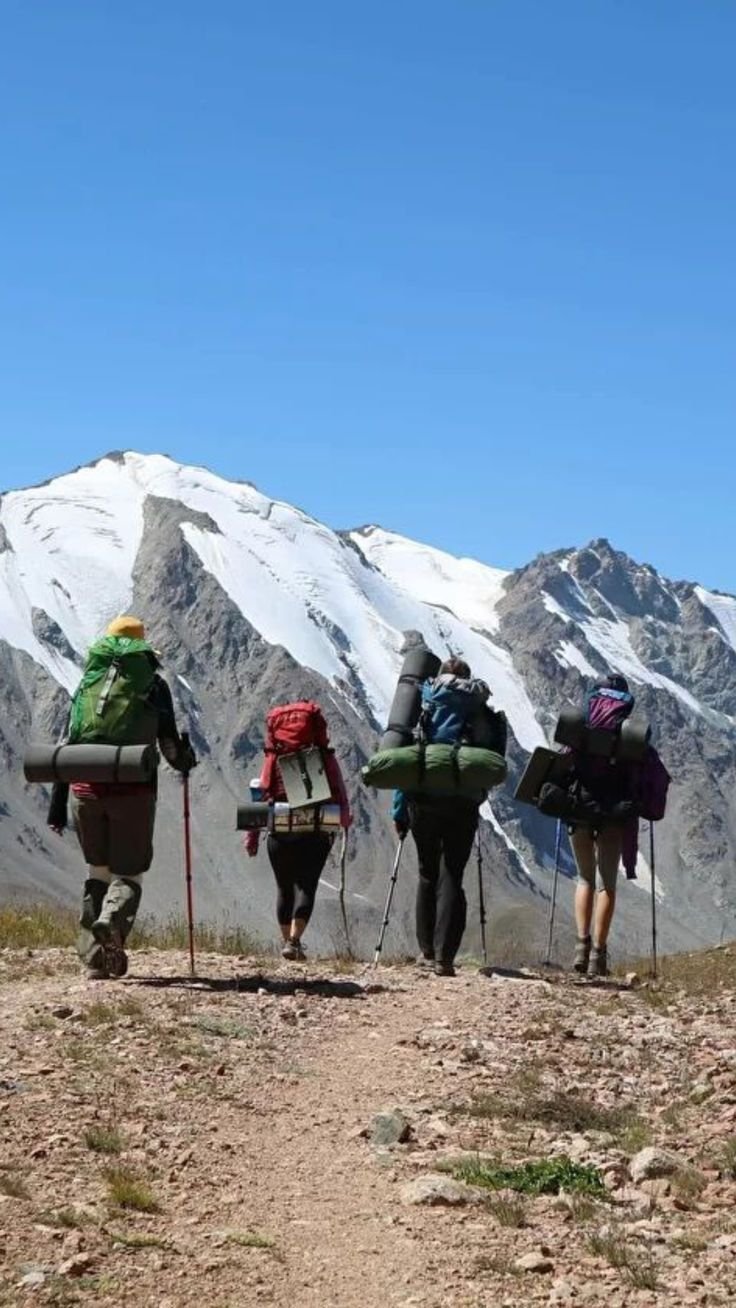
Hiking in Morocco means walking the High Atlas trails that link Berber villages, valleys and 4,167 m summits, with a local guide. From Marrakech you can do a private day hike in Imlil (€95/person for 2+ guests, transfer and lunch included), an overnight at a desert camp in Agafay, or a 2–3 day Mount Toubkal summit trek (compare shared/private party-size rates). This guide helps you choose the right hike for your time, fitness and the season.
Morocco is one of the most rewarding hiking destinations within easy reach of Europe, and Marrakech is its natural gateway — within a short transfer of the city you are walking through terraced walnut orchards and traditional Amazigh villages beneath the highest peaks in North Africa. You can take a gentle valley day hike in the morning, sleep in a Berber guesthouse that night, and stand on a 4,000 m summit the next day. This complete guide brings together everything our guides wish visitors knew before they arrived: which region and hike fits a day, an overnight or a multi-day visit; how to prepare; what to pack; how to behave respectfully in mountain villages; and how to do it all safely. It is written by the local Berber guides who lead these trails, using only the routes, prices and inclusions we actually operate.
Why hike in Morocco?
Few countries pack so much vertical variety into such a short transfer. From Marrakech you can be on a High Atlas trailhead quickly, walking through terraced walnut orchards and traditional Amazigh villages that have changed little in centuries. The culture is genuinely hospitable, the food is fresh and hearty, and the trails are quiet — you will rarely share a path with another organised group.
Hiking here is also accessible. There are gentle valley walks suitable for families and first-timers, and genuine high-altitude objectives like Mount Toubkal (4,167 m) for experienced hillwalkers. A local Berber guide is included on every departure, which removes the navigation, language and safety variables that make independent hiking in the Atlas difficult. Every trip we run is private for your party unless you specifically join a scheduled shared departure — you set the pace, the date and who walks with you.
One thing worth saying plainly: an enquiry with us is a request, not a confirmed booking. A local guide checks real availability and replies with a written, itemised proposal before anything is reserved or paid for. No account is needed to enquire.
The High Atlas areas we actually serve
Our day hikes and treks concentrate on the High Atlas ranges immediately south of Marrakech, plus the Agafay rocky desert close to the city. Each area has a distinct character, and choosing between them is the first real decision of your trip. The five mountain areas below are the ones we guide regularly; each links to its own tour page with verified pricing and inclusions.
Imlil and the Toubkal massif
Imlil is the gateway village beneath the Toubkal massif, the heart of Moroccan hiking. Its walnut orchards, stone Berber villages and mule tracks make it the classic first Atlas day — village and orchard walking with the most cultural depth for the least effort. It is also the starting point for every Mount Toubkal summit trek.
The Imlil day hike is our most-booked private day hike: €95 per person for two or more guests, with a private round-trip transfer from your Marrakech accommodation, a local Berber guide for the full day, and a home-cooked lunch with water included. A solo guest pays €190 total. It suits first-time visitors, families and anyone wanting a genuine Berber-valley experience without a long climb.
Imlil day hike — tour page Imlil destination guide Mount Toubkal treks
Ourika Valley
Ourika is a lower, greener river valley famous for the Setti Fatma waterfalls. The walking follows a river up through riverside Berber life, with some light scrambling at the upper falls and a cooler microclimate than Imlil. It suits families and photographers drawn to water and greenery.
The Ourika day hike is €110 per person for two or more guests, with private round-trip transfer, guide, lunch and water included; a solo guest pays €220 total. Start early in summer to avoid the heat and the day-tripper crowds on the lower reaches.
Ouirgane and the Three Valleys
Ouirgane is the gentlest walking we offer — olive groves, juniper forest and reservoir shoreline away from the weekend crowds. It is the lowest and easiest terrain, suited to relaxed walkers, families with young children and anyone wanting a peaceful, restorative day. The Ouirgane National Park hike has its own pricing and inclusions on its tour page.
Kik Plateau
The Kik Plateau is an open grassland traverse with a continuous Toubkal panorama and minimal climbing — big mountain views without a long ascent. It suits viewpoint seekers and beginners who want panoramas rather than a strenuous climb. The Kik Plateau hike has its own pricing and inclusions on its tour page.
Oukaïmeden plateau
Oukaïmeden is a high plateau that serves as Morocco's ski station in winter and a superb cool summer hiking base, with prehistoric rock carvings and views toward Toubkal. At altitude it stays comfortable when the lowlands are hot. The Oukaïmeden day hike has its own pricing and inclusions on its tour page.
Agafay: rocky desert, not the Sahara
It is important to be clear about Agafay, because it is often misunderstood. Agafay is a rocky, stony desert close to Marrakech — not sand dunes and not the Sahara. It glows gold at sunset and offers a desert feel without the long drive south, which makes it ideal for anyone short on time who wants a contrasting landscape. Choose it for desert contrast near the city, not for mountain trails or for the great Saharan dunes.
The Agafay desert hiking experience is €120 per person for two or more guests, with private round-trip transfer, guide, lunch and water included; a solo guest pays €240 total. For a genuine Saharan dune experience you need a multi-day desert journey to Erg Chebbi or Erg Chigaga.
Choosing a day hike, an overnight or a multi-day trek
The right length depends on your time, your fitness and what you want to feel. A day hike returns you to Marrakech the same evening — ideal for a first taste, a rest day in a wider trip, or anyone who cannot commit to a multi-day route. An overnight adds a night under stars or in a Berber guesthouse without a full expedition. A multi-day trek is a genuine journey: village-to-village circuits, high passes and a 4,000 m summit.
- Day hike (1 day) — Imlil, Ourika, Ouirgane, Kik Plateau, Oukaïmeden or Agafay. Private for your party, transfer and lunch included. From €95/person.
- Overnight (1 night) — Agafay desert camp, or an Atlas valley guesthouse stay. A night under stars without a hard trek.
- Multi-day trek (2–6 days) — Mount Toubkal summit, the Azzaden–Toubkal circuit, or longer Atlas and southern-Morocco journeys. Compare shared/private party-size rates for the 2-day Toubkal trek.
Day hikes from Marrakech Multi-day hikes Best overnight hikes
Mount Toubkal: North Africa's highest peak
Mount Toubkal, at 4,167 m, is the highest summit in North Africa and Morocco's headline trekking objective. It is a demanding high-altitude trek, not a valley day walk — fitness, acclimatisation and mountain conditions all matter, and a summit is never guaranteed. There are three Toubkal formats, and the differences matter for your safety and success.
The 2-day direct summit trek (compare shared/private party-size rates, private Marrakech transfer included) compresses the ascent into a demanding weekend: day one climbs to the refuge at 3,207 m, day two is a pre-dawn push to the summit and the long descent back. The 3-day acclimatisation trek (from €442/person, transfer included) adds a second refuge night and an acclimatisation walk for a more gradual itinerary — the format we recommend for most walkers, especially anyone living at sea level. A distinct 3-day summit-on-Day-2 itinerary costs €462/person for the trek plus a separate €60/person Marrakech transfer (€522/person at the base price) — here the transfer is not included in the trek price.
Above 3,000 m the air holds noticeably less oxygen, and above 4,000 m roughly 40% less than at sea level. Altitude is the single biggest reason people fail to summit. Hydrate constantly from Marrakech, ascend slowly, eat well even when appetite fades, avoid alcohol at altitude, and tell your guide immediately about any headache or nausea. Comprehensive travel insurance covering trekking to 4,200 m, including emergency evacuation, is required on every Toubkal departure.
2-day Toubkal trek 3-day Toubkal trek (acclimatisation) 2-day vs 3-day Toubkal Altitude & acclimatisation guide
The best seasons for hiking
Morocco can be hiked year-round, but the right season depends almost entirely on altitude. The valleys around Marrakech are pleasant most of the year; the 4,000 m summits are a different world.
Spring (April–May) and autumn (September–October) are the classic seasons — mild days, green valleys in spring and golden light in autumn, with stable weather. These are the safest all-round windows for day hikes and most treks. Summer (June–August) is too hot for the low desert and the lower approaches, but excellent at altitude, where the Toubkal summit and high plateaus offer cool walking with long daylight — start early to beat afternoon heat on the approach valleys. Winter (December–March) brings snow above 3,000 m, turning Toubkal into a genuine mountaineering objective requiring crampons and an ice axe; the lower valleys and Agafay remain hikeable and quiet.
Match your route to the season and you will have the best possible day. High-Atlas treks run May–October; desert and Agafay are best October–April; spring and autumn are the safest bets for anything.
Heat and altitude considerations
Two factors shape every Moroccan hike more than fitness: heat and altitude. The lowlands and Marrakech can reach 35°C or more in summer, so day hikes in the valleys are best started early and finished before the midday heat. At altitude the reverse is true — a pre-dawn Toubkal summit start can be near freezing even in July, with a 20°C swing between dawn and midday. Pack layers, not a single climate.
Altitude affects everyone differently. Most day hikes stay below 2,600 m where altitude is rarely an issue. Above 3,000 m — the Toubkal refuge and summit — mild effects (headache, poor sleep, mild nausea) become common, and the golden rules apply: ascend slowly, hydrate constantly, eat well, avoid alcohol, and be honest with your guide about how you feel. Your guide monitors the group and keeps a firm turnaround time; a turned-back summit is always better than a forced one.
How to prepare and what to pack
Good preparation turns a hard day into a joyful one. For easy valley day hikes, regular walking fitness is enough. For moderate routes, build some hill walking in the weeks before. For Toubkal and other graded-challenging treks, train for several weeks with long hill or stair walks carrying a daypack — you cannot pre-acclimatise at home, but strong fitness makes altitude far more manageable.
The layering principle is the foundation of mountain dress: a moisture-wicking base, an insulating mid-layer (fleece or light down), and a windproof, waterproof shell. Avoid cotton, which holds sweat and chills you on exposed ridges. On a summit morning you may wear all three at dawn and strip to a base layer by mid-morning.
- Broken-in hiking boots with good grip and ankle support — never new on the day.
- Layered clothing: moisture-wicking base, fleece, warm down jacket, waterproof shell.
- A 30–40 L daypack, 2–3 L of water, sun hat, sunglasses and high-SPF sunscreen.
- A headtorch (essential for pre-dawn Toubkal starts), personal medications and blister plasters.
- Trekking poles for descents — they save your knees on long scree.
- For multi-day treks: a sleeping-bag liner for refuges, and cash in small notes (no ATMs above Asni).
Respectful village and trail etiquette
The Amazigh (Berber) people have farmed and travelled these mountains for thousands of years, and their hospitality is the soul of every trek. Understanding a few customs deepens every encounter and honours the communities who welcome us.
Sweet mint tea, poured from height to create a delicate foam, is the heart of Berber hospitality — accepting tea is accepting welcome, and it is polite to take at least one glass. Meals are often shared from a communal dish; eat from the section in front of you using your right hand or bread. Modest dress (covered shoulders and knees) is appreciated in villages, especially for women. Always ask before photographing people, particularly women and elders — a smile and a gesture toward your camera is enough, and the connection is worth more than a stolen shot.
We employ local guides, cooks and muleteers, stay in family guesthouses and buy produce in the villages we pass, so the money you spend stays in the valleys. Treat hosts as equals, tip fairly, and carry out everything you carry in.
Hiking with families and different fitness levels
Morocco is a fine family hiking destination when you match the route to the walkers. Easy valley walks — Imlil, lower Ourika, Ouirgane and Agafay — are safe and rewarding for children and casual walkers, with little climbing and plenty of cultural interest. Match the route to the youngest or least-fit member of your party, build in rest stops, and let your guide set a comfortable pace.
For moderate routes (the upper Ourika falls, the Kik Plateau, Oukaïmeden), reasonable fitness and some recent walking help. For hard, high-altitude objectives like Toubkal, good cardiovascular fitness and recent hill-walking experience are essential — and young children should not attempt high summits. If you are unsure which route suits your group, describe your party's ages and recent activity when you enquire and a guide will give you an honest recommendation.
Family hiking in Morocco Difficulty guide Which Atlas hike is right for me?
Transport, lunch and guide questions
These are the practical questions we hear most often, and the answers are straightforward. A private round-trip transfer from your Marrakech accommodation is included on every guided day hike and trek — you are picked up in the morning and dropped back in the evening, so you never need to arrange your own transport or navigate with hiking gear. If you are staying outside Marrakech, tell us when you enquire and we can usually arrange a different pickup, with the cost adjusted in your written proposal.
On the three standard private day hikes — Imlil (€95/person), Ourika (€110/person) and Agafay (€120/person) — the per-person price includes the private transfer, a local Berber guide for the full day, and a home-cooked lunch with water. There are no commission shopping stops. For two or more guests, multiply the per-person price by group size. Solo totals remain €190 for Imlil, €220 for Ourika or €240 for Agafay. Other routes — Ouirgane, Kik Plateau, Oukaïmeden — have their own pricing and inclusions on each tour page, so check the route before enquiring.
A local Berber guide is included on every departure. Trails in the Atlas are largely unmarked and there is no mountain-rescue helicopter on standby, so a guide is the single most important safety tool as well as the bridge to village culture and language. For anything beyond the easiest valley floors, we do not recommend walking without one.
Marrakech to the Atlas Mountains Trekking cost guide Ask a local guide a question
Toubkal preparation and insurance
Mount Toubkal is the objective that demands the most preparation. Train for several weeks beforehand with long hill or stair walks carrying a daypack — strong fitness makes the altitude manageable and the summit day enjoyable rather than a struggle. Trekking poles are strongly recommended for the long scree descent. Pack a warm down jacket for the pre-dawn summit start (cold even in summer), a headtorch with spare batteries, and a sleeping-bag liner for the refuge.
Comprehensive travel insurance covering trekking to 4,200 m, including emergency evacuation, is required on every Toubkal departure — standard travel insurance often excludes high-altitude trekking, so check your policy carefully. Declare any medical conditions before departure, carry your own medications, and tell your guide immediately if you feel unwell on the mountain. A summit is never guaranteed: it depends on weather, altitude and fitness, and the guide's turnaround decision is final.
What hiking in Morocco costs
Pricing is transparent — each tour page shows exactly what is included, and for multi-day treks the transfer is shown separately where it is not bundled. The three standard private day hikes (Imlil €95, Ourika €110, Agafay €120 per person for 2+ guests) include private transfer, guide, lunch and water. Distant day trips to trailheads over 80 km, such as the Ouzoud Waterfalls, are priced above €150 per person to reflect the longer round-trip drive. For the 2-day Mount Toubkal trek, compare shared/private party-size rates and confirm the total in writing.
Excluded everywhere are personal gear, travel insurance (required on treks), drinks at refuges, gear rental and tips. Tips are appreciated but never obligatory — a common guideline is a few euros per guide per day, shared by the group. An enquiry is a request, not a confirmed booking; final pricing is confirmed in your written proposal.
How to book or enquire
There is no instant booking and no account needed. Send an enquiry with your preferred dates (or a flexible window), group size and the ages of any children, your general fitness and recent walking experience, and what you most want from the day — views, villages, waterfalls, a summit, culture. A local Berber guide reviews your dates and replies personally with route recommendations, real availability and a transparent, itemised price breakdown. Your trip is confirmed only after you approve that written proposal.
You can enquire from any tour page, from our enquiry form, or by message on WhatsApp. Day hikes can often be arranged a day or two ahead; book Toubkal refuge beds at least two weeks ahead in the peak spring and autumn months.
Request a hike Request a custom itinerary Contact a local guide
Frequently asked questions
Is hiking in Morocco safe?
Yes, with basic preparation and a local guide. Violent crime against hikers is extremely rare. The real risks are mountain risks — weather, altitude and terrain — which a guide, proper pacing and the right gear manage effectively. Comprehensive trekking insurance is required on high-altitude treks.
Do I need to be very fit?
Not for the easier valley hikes. Imlil, lower Ourika, Ouirgane and Agafay suit most reasonably active people. Moderate routes need some recent walking, and summit treks like Toubkal need good cardiovascular fitness — but many first-timers complete them with proper pacing and a few weeks of preparation.
What is the best time to hike in Morocco?
Spring (April–May) and autumn (September–October) for most routes. Summer suits the highest summits but is hot in the low valleys; winter brings snow above 3,000 m and turns Toubkal into a mountaineering objective. Match the route to the season.
Can families hike in Morocco?
Yes. Easy valley walks (Imlil, Ourika, Ouirgane, Agafay) are safe and rewarding for children. Match the route to the youngest or least-fit walker, and avoid high summits with young children. Describe your party when you enquire for a personal recommendation.
How much does hiking in Morocco cost?
The three standard private day hikes are Imlil €95/person, Ourika €110/person and Agafay €120/person for two or more guests, each including private round-trip transfer, guide, lunch and water; solo totals remain €190/€220/€240 respectively. Distant day trips over 80 km are priced above €150/person. For the 2-day Toubkal trek, compare shared/private party-size rates and confirm the total in writing. Other routes have their own pricing on each tour page.
What is the highest altitude I will reach?
Mount Toubkal at 4,167 m is the highest common objective. Most day hikes stay below 2,600 m, where altitude is rarely an issue. Above 3,000 m — the Toubkal refuge and summit — altitude-sickness awareness matters.
Do I need a guide for hiking in Morocco?
For anything beyond the easiest valley floors, yes. Trails are largely unmarked, there is no mountain-rescue helicopter on standby, and a guide adds safety, cultural depth and language access. A local Berber guide is included on every departure we run.
Is Agafay the Sahara?
No. Agafay is a rocky, stony desert close to Marrakech — not sand dunes and not the Sahara. It offers a desert feel without the long drive south. For the great Saharan dunes you need a multi-day journey to Erg Chebbi or Erg Chigaga.
What is the difference between a day hike and the Toubkal trek?
A day hike is a single guided walking day in the valleys or foothills — you are back in Marrakech the same evening. The Mount Toubkal trek is a strenuous, high-altitude expedition to 4,167 m over two or three days, with a refuge night and a pre-dawn summit push. They share local guides but are not interchangeable.
What is included in a private day hike?
For Imlil, Ourika and Agafay, the per-person price includes a private round-trip transfer from your Marrakech accommodation, a local Berber guide for the full day, and a home-cooked lunch with water. There are no commission shopping stops. For two or more guests, multiply the per-person price by group size.
Is an enquiry a confirmed booking?
No. An enquiry is a request. A local guide checks real availability and replies with a written, itemised proposal. Your trip is confirmed only after you approve that proposal in writing — no account is needed and no payment is taken until arrangements are verified.
What is the weather like in the Atlas Mountains?
Hot dry summers with cool nights, cold winters with snow above 3,000 m, and mild spring and autumn. Expect a 20°C swing between a pre-dawn summit start and midday in the valley, even in summer — pack layers, not a single climate.
Related tours
- Imlil Day Hike from Marrakech | Berber Village Walk from Marrakech — Berber Villages & Atlas Valley Walk
- Ourika Valley Hike — Waterfalls & Berber Villages Day Trek
- Agafay Desert Hike from Marrakech
- Toubkal 2 Day Trek — Guided Climb of North Africa's Highest Peak
- Toubkal 3 Day Trek — Guided Climb with Acclimatization
- Toubkal Circuit Trek — Azzaden Valley to Mount Toubkal Summit
Related destinations
Related guides
- Trekking in Morocco: Complete Guide to Multi-Day Mountain Treks
- Best Time to Hike Morocco: Seasonal Guide to Weather & Conditions
- Morocco Hiking Difficulty Guide: Fitness & Trail Ratings Explained
- Best Places to Hike in Morocco: Top Hiking Destinations & Trails
- The Complete Atlas Mountains Packing Guide
- Altitude & Acclimatisation: A Trekker’s Guide
Related hiking hubs
Ask a local guide · Request a custom itinerary · Browse all tours