Sustainable Hiking in Morocco: How to Trek Responsibly in the Atlas Mountains
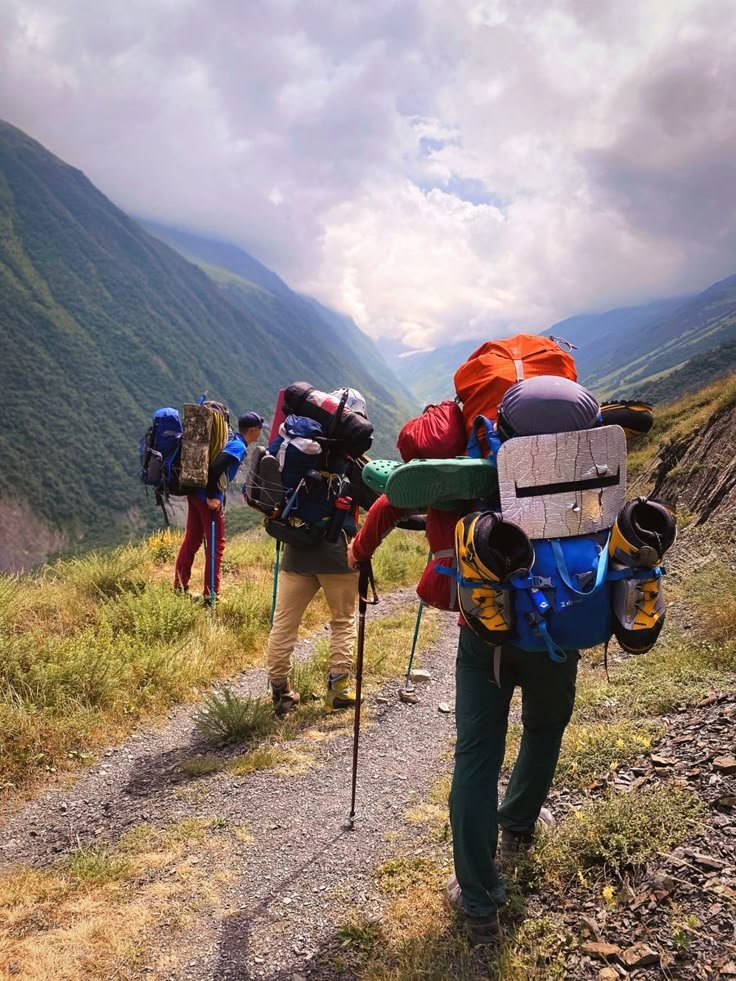
A practical guide to sustainable and responsible hiking in Morocco — supporting local Berber guides and village economies, leave-no-trace on mountain trails, mule welfare, water and energy use, and how your trekking spend stays in the mountains.
Why sustainable trekking matters in the Atlas
The High Atlas is not a wilderness park kept behind a fence — it is a lived-in mountain range where Amazigh (Berber) families have farmed terraced valleys, shared irrigation channels and welcomed travellers for centuries. Sustainable hiking here is not an abstract ideal; it is the practical question of whether the communities whose land you walk through benefit from your visit, and whether the trails and villages are still worth walking through in twenty years.
The good news is that trekking, done well, is one of the most beneficial forms of tourism that exists. Industry research finds that roughly 75% of adventure-trip revenue stays within the local economy, and the average adventure traveller spends around USD 263 on local goods. This guide explains how to make sure your Atlas trek contributes to that — through the guides you hire, the guesthouses you stay in, the way you treat the trail, and the small daily choices that add up.
ATTA — 2026 Adventure Travel Trends & Insights (local economic impact)
Choose a local Berber guide and local team
The single most important sustainability decision you make is who leads your trek. A local Berber guide born in these valleys keeps your spend in the mountains, knows the trails and weather intimately, and opens doors to village life that independent travel cannot. Beyond the guide, a responsible trek employs a muleteer (and his mule) from the same valley, a mountain cook on longer routes, and hosts you in family-run village guesthouses rather than foreign-owned chains.
This is the model every one of our departures follows. When you book a trek with us, your money pays local guides, muleteers, cooks and village families directly — the people whose land you are walking through. Avoiding overseas resellers and booking directly with a local operator is the simplest way to make sure your trekking spend stays in the Atlas.
The benefits of hiking with a local guide Berber culture and trekking etiquette
Stay in village guesthouses, not just refuges
Where you sleep shapes where your money goes. Mountain refuges on Toubkal are necessary for summit routes, but on cultural treks through Azzaden, Aït Bougmez and the Berber village circuits, family-run guesthouses (gîtes) are the sustainable choice. They give a family a direct income, serve food grown or bought locally, and keep you inside the village economy rather than beside it. They are also where the genuine cultural exchange of an Atlas trek happens — sharing mint tea, bread baked in a communal oven and a tagine cooked over olive wood.
Azzaden–Toubkal circuit (village guesthouses) Aït Bougmez Happy Valley trek
Leave no trace on mountain trails
Atlas trails are unmarked and unmaintained by any authority, so the condition they are in is the condition trekkers leave them in. The standard leave-no-trace principles apply, with a few Morocco-specific notes:
- Carry out all rubbish, including organic waste — mountain soils break it down slowly and it teaches wildlife to depend on humans.
- Never leave cigarette butts or microplastics; the dry climate preserves them for years.
- Use the provided toilet facilities at refuges and guesthouses; on the trail, bury waste well away from water sources and paths.
- Stay on existing mule tracks rather than cutting switchbacks, which causes erosion on steep, dry slopes.
- Do not pick wildflowers or disturb wildlife, and never approach or feed the Barbary macaques at Ouzoud.
- Carry a reusable bottle and treat water with filters or purification tablets rather than buying single-use plastic.
Respect water, energy and the mountain rhythm
Water is the Atlas’s most precious resource. Villages run on shared irrigation channels and often limited supply, so use water sparingly — short showers at guesthouses, never waste drinking water, and avoid demanding laundry in water-stressed valleys. Energy is similarly constrained above the roadheads: refuge and guesthouse power is limited, so carry a charged power bank and spare batteries rather than expecting to recharge devices, and turn off lights and heaters when not in use.
Pace matters too. A slow, sustainable rhythm — the pace a local guide sets — is not just safer for altitude; it is the pace at which the mountains are meant to be walked, and it lets you meet the people whose valleys you pass through rather than racing through them.
Mule welfare and fair tipping
Mules carry your main bag on multi-day treks, and their welfare is a genuine sustainability issue. A responsible operator keeps loads under the mule’s weight limit (ask your guide — we keep main bags under 15 kg), uses well-fitted panniers, and never overworks an animal. If you ever see a mule visibly struggling or poorly treated, say something to your guide or operator.
Tipping is the other side of fair local economics. Tips are never compulsory but are genuinely appreciated and form a meaningful part of a guide, cook or muleteer’s income. A common guideline is €10–20 per guide per day, shared by the group — so budget roughly €30–60 total for a 2-day trek for the whole team. Your guide can advise on a fair split.
Protect Toubkal National Park
Mount Toubkal sits inside Toubkal National Park, a protected area that safeguards the Mizane, Azzaden and Imenane valleys and their ecology. Trekking here carries a responsibility to leave it intact: stick to established routes, never light fires or camp outside designated areas, respect the required-guide rule (which exists partly to manage visitor impact), and pay the park access fee that funds the reserve. The park is the reason the high valleys are still wild — treating it as a protected place, not just a summit, is what keeps them that way.
Buy local and give thoughtfully
Buying handicrafts, honey, argan oil or saffron directly from village cooperatives is one of the highest-impact things a trekker can do — it puts money straight into the hands of the people whose valley you are walking through, especially women’s cooperatives. If you want to bring something, school supplies or basic medical items are genuinely useful; avoid handing out sweets or pens to children, which encourages begging and disrupts village life. Ask your guide where to buy or donate responsibly.
A simple sustainable-trekking checklist
- Book directly with a local operator and insist on a local Berber guide, muleteer and cook.
- Stay in family-run village guesthouses where the route allows.
- Carry out all rubbish and never leave waste on the trail.
- Use a reusable bottle and water purification rather than single-use plastic.
- Keep your main bag under 15 kg for the mule, and tip the team fairly.
- Buy handicrafts and produce from village cooperatives, not resellers.
- Respect water and energy limits at refuges and guesthouses.
- Treat Toubkal National Park as a protected place, not just a summit to bag.
Browse locally guided Morocco treks Ask about a responsible trek
Frequently asked questions
Is trekking in Morocco sustainable?
It can be highly sustainable. When you trek with a local Berber guide, stay in family-run village guesthouses and buy from local cooperatives, the great majority of your spend stays in the mountains. Industry research finds roughly 75% of adventure-trip revenue stays in the local economy.
How do I make sure my trekking money helps local people?
Book directly with a local operator rather than an overseas reseller, insist on a local guide and mule team, stay in village guesthouses, buy handicrafts and produce from cooperatives, and tip the team fairly. These choices keep your spend inside the valley economies you walk through.
What is leave-no-trace trekking in the Atlas?
Carry out all rubbish including organic waste, never leave cigarette butts, stay on existing mule tracks to prevent erosion, bury waste away from water, carry a reusable bottle, and do not pick wildflowers or feed wildlife. Atlas trails are unmaintained, so their condition is entirely down to trekkers.
How much should I tip on a Morocco trek?
Tips are appreciated but never compulsory. A common guideline is €10–20 per guide per day, shared by the group — roughly €30–60 total for a 2-day trek for the guide, cook and muleteer together. Your guide can advise on a fair split.
Is there a mule welfare concern on Atlas treks?
It can be an issue with irresponsible operators. A responsible operator keeps loads under the mule’s weight limit (we keep main bags under 15 kg), uses well-fitted panniers and never overworks an animal. If you see a mule struggling, raise it with your guide or operator.
Why is Toubkal National Park important for sustainability?
The park protects the ecology of the Mizane, Azzaden and Imenane valleys. Sticking to established routes, paying the access fee, respecting the required-guide rule and never camping or lighting fires outside designated areas all help keep the high valleys wild for future trekkers.
Related tours
- Toubkal Circuit Trek — Azzaden Valley to Mount Toubkal Summit
- Imlil Day Hike from Marrakech — Berber Villages & Atlas Valley Walk
- Aït Bouguemez Happy Valley — 3 Day Trek