Hiking Trends 2026: Adventure Travel News and What’s Changing for Trekkers
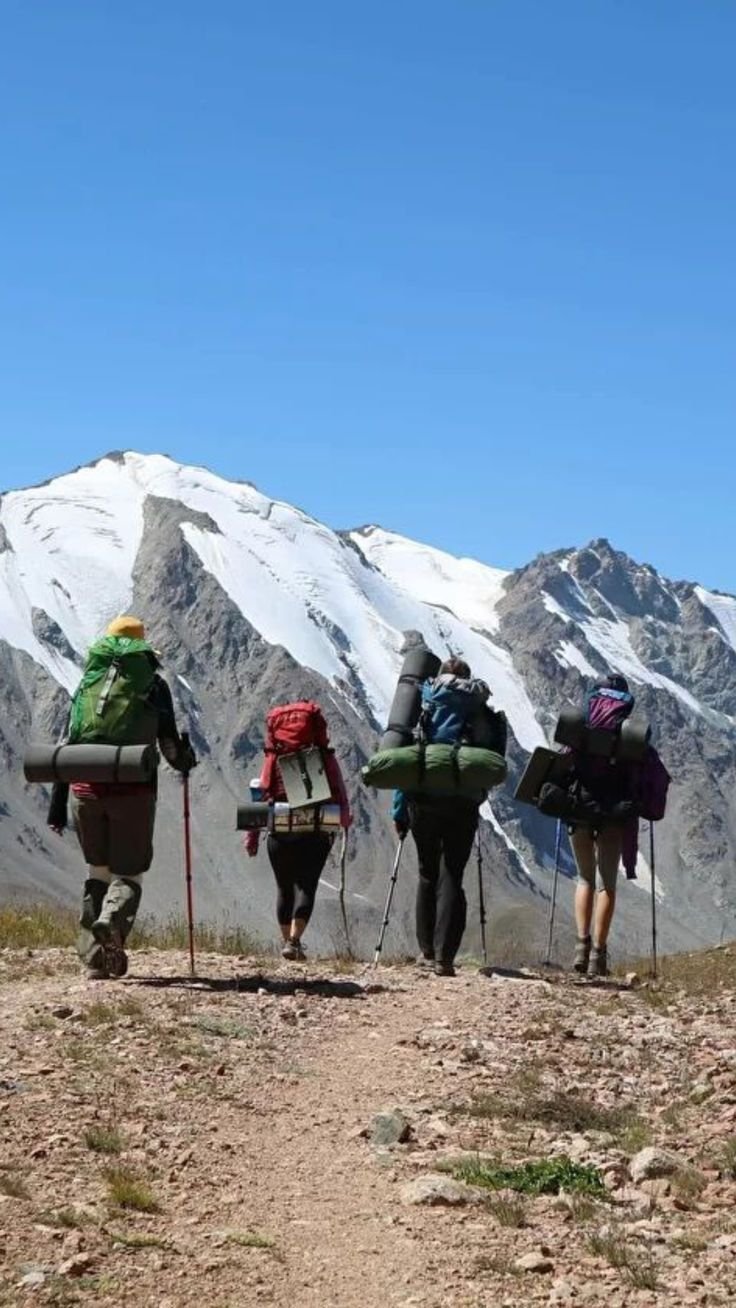
Hiking and trekking are the world’s most in-demand adventure activities in 2026. We break down the latest adventure-travel news — sustainable trekking, the rise of solo and small-group hiking, soft adventure and local economic impact — and what it means for planning your next trek.
Hiking is the world’s number-one adventure activity in 2026
If you have noticed the trails feeling busier, it is not your imagination. Hiking, trekking and walking remain the most in-demand adventure activities on the planet in 2026, holding the top spot year after year in the Adventure Travel Trade Association’s annual industry research. For anyone planning a trek — whether a first day hike in the Atlas or a multi-day summit of Toubkal — that matters, because it explains both the rising competition for guides and refuge beds and the growing emphasis on travelling well rather than simply travelling more.
This article rounds up the hiking and adventure-travel news that actually affects trekkers in 2026: the shift toward sustainable and community-based trekking, the boom in solo and small-group hiking, the rise of soft adventure, what trekking now costs, and how to plan around busier trails and less predictable mountain weather. Where we cite figures, they come from published industry research linked at the end of each section.
The 2026 adventure-travel picture in numbers
The Adventure Travel Trade Association (ATTA) released its 2026 Adventure Travel Trends & Insights report in April 2026, based on a global survey of 329 tour operators conducted between January and March 2026. The headline is that the sector is still growing, but more deliberately than during the post-pandemic rush: most operators reported revenue increases in 2025, while trip volumes softened and average group sizes fell. In other words, the industry is running better trips rather than simply bigger ones.
Separate market research sizes the global adventure tourism market at roughly USD 464–896 billion in 2025, forecast to keep growing at a high-single-digit to low-double-digit annual rate through the early 2030s. Trekking and hiking are the leading land-based activity by share, and soft adventure — hiking, wildlife viewing, cycling and cultural immersion that need no specialist skills — accounts for around 63–72% of the market.
ATTA — 2026 Adventure Travel Trends & Insights report Fortune Business Insights — Adventure Tourism Market 2026–2034 Grand View Research — Adventure Tourism Market 2026–2033
Trend 1: sustainable, community-based trekking goes mainstream
Sustainability has moved from a niche selling point to a core expectation. More than half of adventure operators now hold or are working toward a sustainability certification, with Travelife and B Corporation the most common frameworks. Travellers increasingly ask where their money goes, and the answer is encouraging: roughly 75% of trip revenue stays within the local economy, and the average adventure traveller spends around USD 263 on local handicrafts and souvenirs.
For Morocco trekking this is the model we have always followed. Every one of our departures is led by a local Berber guide, supported by muleteers from the same valleys, fed by mountain cooks and hosted in family-run village guesthouses. Choosing a locally guided trek is the single most effective sustainability decision a hiker can make in the Atlas — it keeps the spend in the mountains rather than leaking it to an overseas reseller.
Berber culture and trekking etiquette The benefits of hiking with a local guide
Trend 2: solo and small-group hiking are the fastest-growing segments
Solo travel is the fastest-growing traveller segment in adventure tourism, projected to grow at around 11–12% a year through 2031, driven largely by Gen Z and millennial travellers who want flexible, socially designed, experience-rich trips that still offer structure and safety. Average group sizes are falling across the board as operators move toward smaller, more tailored departures.
The practical implication for trekkers is that private and small-group departures are easier to arrange than ever, but peak-season refuge beds and guides book up faster. If you are planning a Toubkal ascent in the May–October peak, reserve your guide and refuge at least two weeks ahead — the same advice the ATTA data implies for any in-demand route worldwide.
3-day Mount Toubkal trek (private departure) Request a custom itinerary
Trend 3: soft adventure and “better, not bigger” trips
Soft adventure — accessible hiking, cultural walks and nature experiences that do not require specialist skills — dominates the market at roughly two-thirds of all adventure trips. Operators are responding with smaller groups, more tailored itineraries and a focus on yield and experience quality over raw volume. Culinary experiences have risen to become the second most popular activity alongside hiking, reflecting a broadening of adventure travel into mixed itineraries rather than pure physical challenge.
In Morocco this maps neatly onto the day-hike market. A guided Imlil Valley day hike (€85 per person, private round-trip transfer and lunch included) or an Ourika Valley waterfall walk (€95 per person) is a textbook soft-adventure product: real mountain scenery and Berber culture, no technical skill required, and a cooked lunch in a village home. These are the trips that now define how most people first experience the Atlas.
Trend 4: climate volatility is reshaping trekking seasons
Industry analysts flag climate and seasonality disruption as a structural restraint on adventure destinations, particularly in alpine Europe, high-altitude Asia and coastal regions. Shorter, less predictable operating windows on high-altitude routes mean operators are increasingly rewarded for spreading inventory across multiple climate zones and activity types, and for building flexibility into itineraries.
For Atlas trekking this is exactly why a local guide’s weather judgement matters. Our guides check mountain forecasts before and during every departure and have full authority to modify or turn a route back for safety. The Morocco season also spreads risk well: the High Atlas is best May–October, the desert and Anti-Atlas October–April, and lower valleys are hikeable year-round, so there is almost always a good option whatever the wider weather is doing.
What this means for planning your next trek
- Book in-demand routes (Toubkal in spring and autumn) at least two weeks ahead — solo and small-group demand is rising fastest.
- Choose a locally guided, locally hosted trek so your spend stays in the mountains — the most sustainable choice you can make.
- Consider a soft-adventure day hike first if you are new to the mountains; build toward a multi-day summit once you know how you handle altitude.
- Build flexibility into your dates — climate volatility makes fixed-window treks riskier, and shoulder seasons (May, October) often offer the best balance.
- Combine hiking with culture and food — the fastest-growing adventure itineraries mix walking with culinary and community experiences.
How Morocco fits the 2026 trekking trends
Morocco is unusually well placed against every trend above. It offers genuine soft-adventure day hikes within 90 minutes of Marrakech, real high-altitude objectives on Toubkal (4,167 m) and M’Goun (4,068 m), a community-based trekking model built on local Berber guides and village guesthouses, and a climate that allows year-round trekking by shifting between the High Atlas and the desert. It is also affordable relative to equivalent Alpine or Himalayan objectives: a 2-day Toubkal summit trek starts from €319 per person all-inclusive.
If the 2026 trends point anywhere, they point toward exactly this kind of accessible, locally led, culturally rich trekking — which is what the Atlas Mountains have always done best.
2-day Mount Toubkal trek Hiking in Morocco — the complete guide
Frequently asked questions
Is hiking still the most popular adventure activity in 2026?
Yes. Hiking, trekking and walking remain the most in-demand adventure activities globally in 2026, holding the top spot year over year in the ATTA’s 2026 Adventure Travel Trends & Insights report, which surveyed 329 tour operators worldwide.
Is sustainable trekking actually growing?
Yes. More than half of adventure operators now hold or are working toward a sustainability certification (commonly Travelife or B Corporation), and roughly 75% of trip revenue stays within the local economy, according to ATTA research.
What is the fastest-growing type of hiking traveller?
Solo travel is the fastest-growing segment in adventure tourism, projected to grow at around 11–12% per year through 2031, driven by Gen Z and millennial travellers who want flexible but structured, locally immersive trips.
Are trekking groups getting smaller?
Yes. Average group sizes fell in 2025, and operators are focusing on smaller, more tailored departures and yield over raw volume — part of an industry shift toward “better, not bigger” trips.
How does climate change affect trekking plans?
Climate and seasonality disruption is shortening and making less predictable the operating windows on high-altitude routes. The practical response is to book shoulder seasons, build date flexibility into your trip, and trek with a local guide who can adapt to conditions.
How much does a Morocco trek cost in 2026?
Guided day hikes from Marrakech start at €85 per person (Imlil, with private round-trip transfer and lunch included); Ourika is €95 and Agafay €105. The 2-day Mount Toubkal summit trek starts from €319 per person all-inclusive. Prices are transparent on each tour page.
Related tours
- Toubkal 3 Day Trek — Guided Climb with Acclimatization
- Imlil Day Hike from Marrakech — Berber Villages & Atlas Valley Walk
- Toubkal Circuit Trek — Azzaden Valley to Mount Toubkal Summit