Hiking and Trekking Trends for 2027: The Best Adventures Around the World
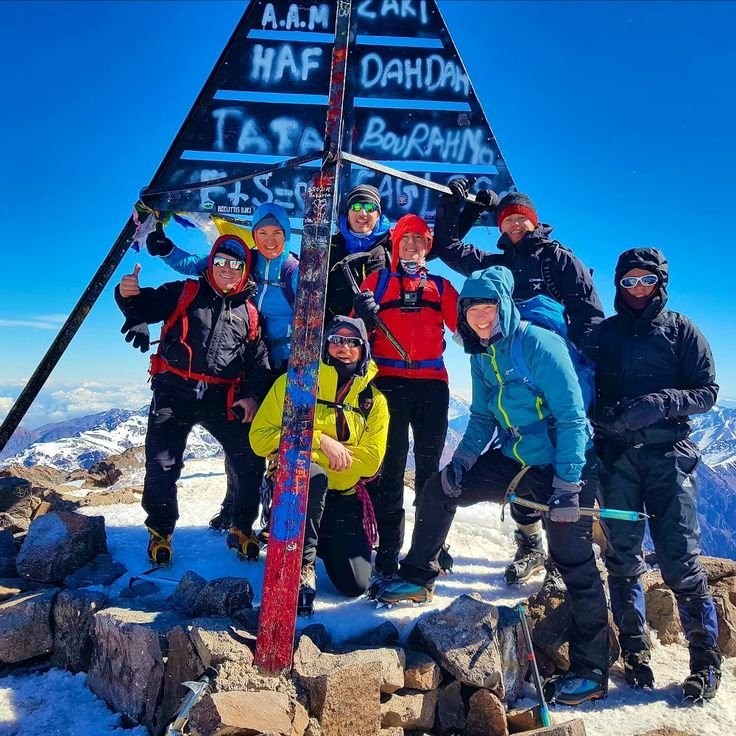
A forward look at hiking and trekking in 2027 — the UN International Year of Sustainable and Resilient Tourism, responsible hiking, nature and wellness travel, lesser-known destinations, beginner-friendly treks and how to choose the right adventure. We separate verified facts from cautious expectations, and show where Morocco’s Atlas Mountains, Imlil, Amazigh village experiences and Mount Toubkal fit.
A forward look at hiking and trekking in 2027
Hiking and trekking have become some of the most popular ways to travel the world, and 2027 promises to keep that momentum going. This article looks ahead at the directions walking travel is likely to take in 2027 — from the United Nations’ International Year of Sustainable and Resilient Tourism to the rise of nature and wellness travel, lesser-known destinations, beginner-friendly treks and how to choose the right adventure for you.
A note on evidence: where we state a fact, we link the official source so you can verify it. Where we describe a trend or expectation for 2027, we say so plainly. We do not invent statistics, confirmed events, prices or forecasts, and we do not claim that any single destination — including Morocco — is the world’s top hiking country. What we do is show, honestly, where Morocco’s Atlas Mountains, Imlil, Amazigh village experiences and Mount Toubkal fit among the options a 2027 trekker might consider.
2027 is the UN International Year of Sustainable and Resilient Tourism
The single most important verified fact for 2027 is this: the United Nations General Assembly, in its resolution 78/260 of 26 February 2024, proclaimed 2027 the International Year of Sustainable and Resilient Tourism. The UN’s tourism body, UN Tourism, is leading the year, which is intended to advance sustainable development, resilience and the contribution of tourism — including nature-based and adventure tourism — to the Sustainable Development Goals.
For trekkers this matters because it frames 2027 as a year in which how you travel carries as much weight as where you travel. Choosing locally guided, community-based trekking — where your spend reaches the guides, muleteers, cooks and village families whose land you walk through — is one of the most direct ways to put the spirit of the International Year into practice. It is also the model the Atlas Mountains have followed for generations.
UN Tourism — International Year of Sustainable and Resilient Tourism 2027 UN General Assembly resolution 78/260 (26 February 2024) Sustainable hiking in Morocco: how to trek responsibly
Trend: responsible and community-based hiking
Building on the sustainability focus of the International Year, responsible hiking is expected to remain central to how thoughtful trekkers choose their trips in 2027. The direction is well established: travellers increasingly ask where their money goes, prefer locally guided experiences, and look for trips that leave trails and communities in better condition than they found them.
In practice, responsible trekking means booking directly with local operators, hiring guides and mule teams from the valleys you walk through, staying in family-run guesthouses where the route allows, and following leave-no-trace principles on the trail. These choices keep trekking spend inside mountain economies rather than leaking it to overseas resellers — a measurable benefit in adventure-travel research, where a large share of trip revenue has been found to stay within local economies.
Berber culture and trekking etiquette Mountain safety on Atlas treks
Trend: nature and wellness travel on foot
Walking travel is increasingly paired with wellness — the idea that a trek is not only a physical challenge but a way to slow down, disconnect and restore. Expect 2027 to continue blending hiking with slower itineraries, rest days, healthy mountain food, time in nature and a calmer pace set by a local guide rather than a stopwatch.
Wellness-oriented trekking suits destinations that combine genuine scenery with cultural warmth and a manageable pace. A gentle valley day with a home-cooked lunch and a quiet viewpoint can be as restorative as a summit push — sometimes more. The key is matching the route to what you actually need from the days away.
Plan a calmer hiking trip with the hiking planner Best time to trek Morocco
Trend: lesser-known destinations and quieter trails
As the best-known routes grow busier, many trekkers are looking beyond the headline destinations toward quieter, less-travelled trails. The appeal is straightforward: solitude, lower impact on fragile environments, and a more genuine encounter with places that have not been reshaped by mass tourism.
Around the world this points toward routes like the Anti-Atlas and Jebel Saghro in Morocco, the Azzaden Valley behind the Toubkal massif, the Aït Bougmez Happy Valley in the central High Atlas, and comparable off-the-beaten-path objectives on other continents. These are not “better” than famous routes — they are simply quieter, and they reward trekkers who value space and authenticity over convenience.
Azzaden–Toubkal circuit (quieter side valley) Southern Morocco trekking (Saghro, Siroua)
Trend: beginner-friendly treks and soft adventure
Accessible, beginner-friendly trekking is expected to keep growing. Not every traveller wants a 4,000 m summit; many want a real mountain day that is achievable without specialist skills, technical gear or elite fitness. This “soft adventure” end of the market — genuine scenery and culture at a manageable grade — is where most first-time trekkers begin.
A good beginner trek has clear trails (or a guide who handles navigation), modest elevation gain, a comfortable pace and a satisfying reward at the end. It is the ideal entry point before building toward longer or higher objectives.
How to choose the right hiking adventure in 2027
With so many options, choosing the right trek comes down to a few honest questions. Be clear about your fitness, your available time, the season you can travel, and what you most want from the days — a summit, a cultural encounter, solitude, or simply a restorative walk in nature. Then match the destination and route to those answers rather than the other way around.
- For a first trek or a gentle introduction: choose an easy, guided valley walk with transfer and lunch included, and build from there.
- For a high-altitude objective without technical climbing: look for walk-up summits reachable with a guide, proper acclimatisation and good fitness.
- For culture and community: choose village-to-village routes with family guesthouses and local guides born in the valleys.
- For solitude: look beyond the busiest routes to quieter side valleys and lesser-known massifs.
- For wellness and restoration: build in rest days, slower pacing and time in nature rather than chasing distance or altitude.
- For responsible travel: book directly with a local operator and insist on local guides, mule teams and village stays.
Which Atlas hike is right for me? Plan your trek step by step
Where Morocco’s Atlas Mountains fit
Morocco is not the world’s top hiking destination — we make no such claim, and no ranking can be honestly asserted without verified comparative data. What can be said is that the Atlas Mountains offer a genuinely strong combination of the qualities 2027 trekkers are looking for: accessible trailheads close to Marrakech, a community-based guiding model built on local Berber guides and village guesthouses, real high-altitude objectives, and a climate that allows year-round trekking by shifting between the High Atlas and the desert.
Imlil, at 1,740 m and about 90 minutes from Marrakech, is the gateway village to the Toubkal massif and a natural starting point for a first Atlas day. A guided Imlil Valley day hike costs from €85 per person, with private round-trip transfer and a cooked lunch included. Amazigh (Berber) village experiences — mint tea in a family home, bread from a communal oven, a tagine cooked over olive wood — are woven into these valley walks rather than staged for visitors.
For trekkers seeking a high-altitude objective, Mount Toubkal (4,167 m) is North Africa’s highest summit and a non-technical walk-up in the snow-free season. The 2-day ascent starts from €319 per person all-inclusive; the 3-day format adds an acclimatisation night and is recommended for anyone arriving from sea level. These are verified tour prices, not forecasts.
Imlil Valley day hike (€85/person, transfer included) 2-day Mount Toubkal trek (from €319/person) 3-day Mount Toubkal trek with acclimatisation Hiking in Morocco — the complete guide
A practical 2027 trekking checklist
- Book directly with a local operator and insist on a local guide, mule team and village stays — the spirit of the International Year of Sustainable and Resilient Tourism.
- Match the route to your honest fitness, not your ambition; build toward harder objectives over successive trips.
- Choose the season for your destination: high mountains and desert often follow opposite calendars.
- Carry travel insurance that explicitly covers trekking to your route’s maximum altitude, including emergency evacuation.
- Practise leave-no-trace: carry out all rubbish, stay on existing tracks, and respect water, wildlife and village life.
- Build in slower days for wellness and recovery rather than maximising distance or altitude every day.
The complete Atlas Mountains packing guide Fitness training for trekking
Frequently asked questions
What is the International Year of Sustainable and Resilient Tourism 2027?
It is a year proclaimed by the United Nations General Assembly in resolution 78/260 of 26 February 2024, led by UN Tourism, to advance sustainable, resilient tourism and its contribution to the Sustainable Development Goals. The official source is the UN Tourism page on the International Year.
Is Morocco the best hiking destination for 2027?
We make no such claim. No ranking can be honestly asserted without verified comparative data. Morocco’s Atlas Mountains are a strong option — accessible, locally guided, with real high-altitude objectives and year-round trekking — but they are one option among many, not a verified “best”.
How much does a Morocco day hike or trek cost?
Verified prices: a guided Imlil Valley day hike starts at €85 per person (private round-trip transfer and lunch included); Ourika and Ouirgane are €95 and Agafay €105 per person. The 2-day Mount Toubkal ascent starts from €319 per person all-inclusive, and the 3-day acclimatised format from €442. These are current tour prices, not 2027 forecasts.
What are the 2027 hiking trends?
Based on established directions rather than confirmed forecasts, expect continued emphasis on sustainable and community-based trekking, nature and wellness travel, quieter lesser-known destinations, and accessible beginner-friendly “soft adventure” routes — all framed by the UN International Year of Sustainable and Resilient Tourism 2027.
How do I choose the right trek for 2027?
Be honest about your fitness, time, season and what you want from the days — a summit, culture, solitude or restoration — then match the destination and route to those answers. Start with an easier guided route if you are new, and build toward higher or longer objectives over time.
Do I need a guide to trek in the Atlas Mountains?
Yes. Atlas trails are unmarked, there is no mountain rescue service, and a local guide manages navigation, safety, weather calls and cultural access. A local Berber guide is included on every guided hike and is the single biggest safety tool for any trekker.
When is the best time to trek the Atlas Mountains?
May to October for the High Atlas high trails (snow-free), with May and September often the best overall months. October to April suits the desert and Anti-Atlas. Winter Toubkal ascents are possible with crampons and a winter guide. See our seasonal guide for detail.
Related tours
- Toubkal 2 Day Trek — Guided Climb of North Africa's Highest Peak
- Toubkal 3 Day Trek — Guided Climb with Acclimatization
- Imlil Day Hike from Marrakech — Berber Villages & Atlas Valley Walk
- Toubkal Circuit Trek — Azzaden Valley to Mount Toubkal Summit