Mount Toubkal Trekking: A Practical Guide for First-Time Visitors
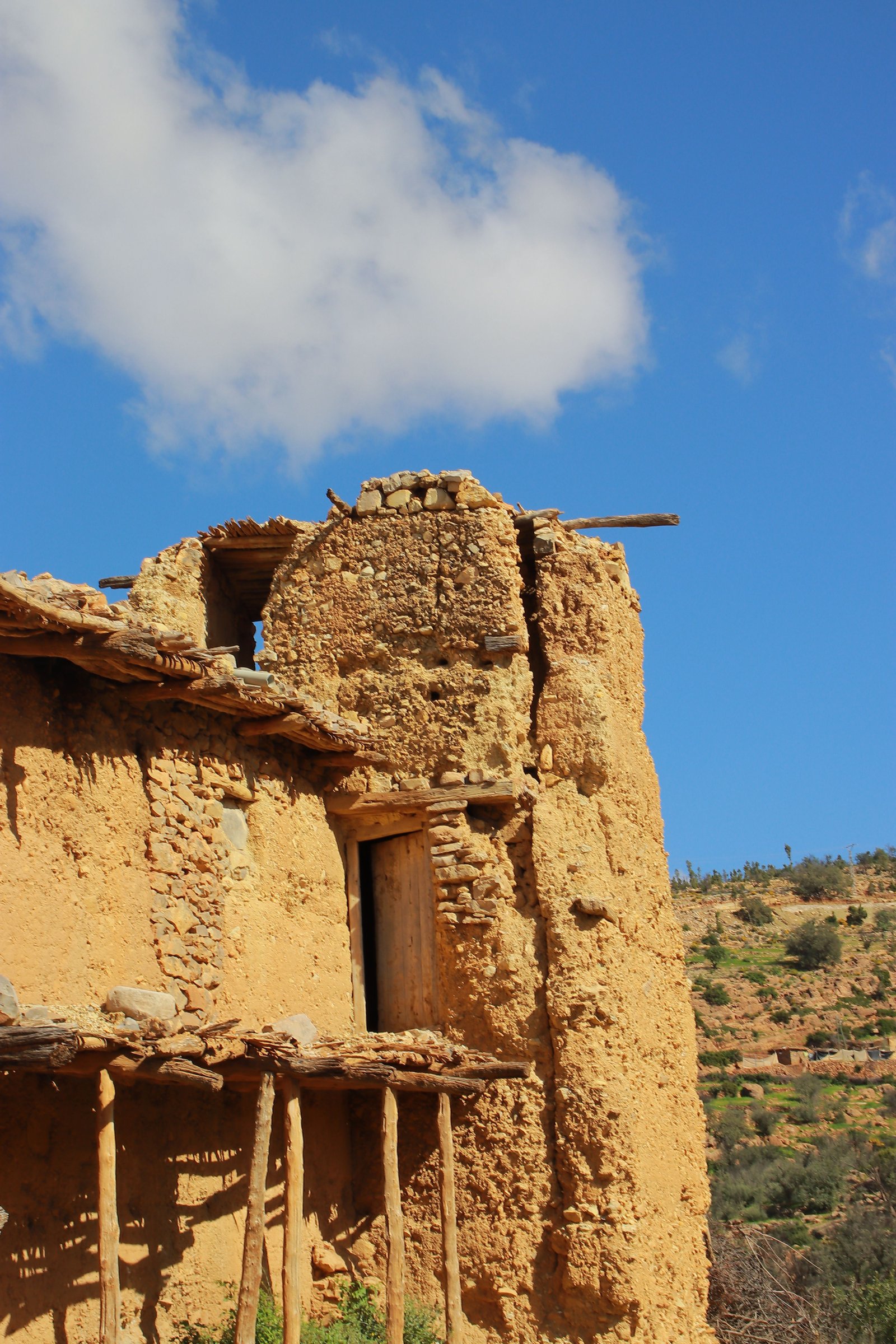
Mount Toubkal (4,167 m) is North Africa’s highest peak, climbed on a guided 2-day or 3-day trek from Imlil near Marrakech. No technical climbing is needed in the snow-free season, but the summit day is long and high, so honest fitness preparation, gradual acclimatisation and a local guide are essential. Current itinerary, conditions, requirements and pricing should be confirmed by enquiry before you travel.
Standing on the summit of Mount Toubkal — at 4,167 metres the highest point in North Africa and the Arab world — is one of the great mountain experiences within easy reach of Europe. The trek is demanding but achievable for fit, well-prepared walkers, and no technical climbing is required in the snow-free months. This practical guide is written for first-time visitors: what the trek actually involves, how to assess your own readiness, what to ask an operator before you commit, how to prepare and pack, how to trek responsibly in Berber mountain communities, and how to request current itinerary, conditions and pricing. It is general planning guidance, not a confirmed trip brief — final route, dates, inclusions and price must be confirmed before a reservation is made.
What the Toubkal trek involves
Mount Toubkal sits in the High Atlas, reached via the village of Imlil about 65 km (roughly 90 minutes) from Marrakech. The standard summer route climbs the Mizane valley past walnut groves and Berber villages to a mountain refuge at around 3,207 m, where you sleep before a pre-dawn summit push to 4,167 m and back. There is no glacier or roped climbing in the snow-free season; the challenge is the long summit day at altitude, not technical terrain.
Two formats are common. A 2-day trek compresses the ascent into a single overnight at the refuge and a big summit day. A 3-day trek adds an acclimatisation night or walk, which most guides recommend for visitors who live at sea level. In winter the mountain holds snow and ice above 3,000 m and becomes a genuine mountaineering objective requiring crampons, an ice axe and winter skills — a different proposition entirely.
Mount Toubkal destination guide Mount Toubkal guided trekking
Assessing your personal fitness
Be honest, not ambitious. The summit day involves many hours of walking with significant ascent and descent, all above 3,000 m where the air is thin. A useful self-test: can you walk briskly uphill for three to four hours carrying a light daypack without needing to stop frequently? If yes, and you can manage a five-to-six-hour hill walk, you are in the right zone for the standard route.
You cannot pre-acclimatise at home, but strong cardiovascular fitness makes the altitude far more manageable. In the weeks before your trek, build up hill walking, stair climbing and long weekend walks with a loaded pack. Trekking poles are strongly recommended — the long scree descent is where unprepared knees suffer most. If you are unsure of your fitness, choose the 3-day format and ask the operator for an honest assessment based on your recent activity.
Training & fitness for Atlas trekking Morocco hiking difficulty guide
Understanding acclimatisation needs
Above 3,000 m the air holds noticeably less oxygen, and Toubkal’s summit at 4,167 m has roughly 40% less oxygen than sea level. Altitude — not terrain — is the single biggest reason people fail to summit. Mild symptoms such as headache, nausea, fatigue and poor sleep are common above 2,500 m and usually ease with rest and fluids. Worsening headache, vomiting, confusion or breathlessness at rest are warning signs that demand immediate descent.
The golden rules are simple: ascend gradually, climb high and sleep low where possible, drink three to four litres of water a day, avoid alcohol at altitude, eat well even when appetite fades, and tell your guide immediately if you feel unwell. The 3-day format gives your body an extra night to adjust and is the safer choice if you live at sea level or are unsure how you will respond. Never ascend with a heavy cold or chest infection.
Altitude & acclimatisation guide Mountain safety & emergency protocols
What to ask an operator before booking
A reputable operator should answer your questions clearly and without pressure. Before you commit, ask:
- Is a qualified local mountain guide included on every day, and what experience do they have on Toubkal?
- What exactly is included — guide, refuge accommodation, meals, mule support, transfers, permits — and what is extra?
- What is the maximum group size, and how is pacing adapted to the slowest walker?
- What is the turn-around policy if weather or altitude conditions deteriorate?
- Is winter equipment (crampons, ice axe) provided and instructed if travelling in the snow season?
- What travel insurance is required, and to what maximum altitude must it cover trekking and emergency evacuation?
- How and when will the final itinerary, price and availability be confirmed before a reservation is made?
A request is not a confirmed booking
Remember that an enquiry is not a reservation. Dates, route suitability, guide availability, inclusions and final pricing should all be confirmed in writing before you consider yourself booked. A reputable operator will be happy to confirm these details without pressure.
Preparation and packing
Pack for a 20°C swing between a pre-dawn summit start and midday in the valley. The layering principle — a moisture-wicking base, an insulating mid-layer, and a windproof waterproof shell — lets you add and remove layers as conditions change. Avoid cotton, which holds sweat and chills you on exposed ridges.
- Broken-in hiking boots with ankle support (non-negotiable on scree).
- Moisture-wicking base layers, a fleece, and a warm down jacket for the cold summit morning.
- A waterproof shell, trekking trousers, and a warm hat and gloves even in summer.
- A headtorch with spare batteries for the pre-dawn start.
- Two litres of water capacity, sun hat, sunglasses and high-SPF sunscreen.
- Trekking poles, blister plasters, lip balm and a sleeping-bag liner for the refuge.
Local guidance and responsible conduct
Toubkal sits within the traditional lands of the Amazigh (Berber) people, who have farmed these valleys for millennia. A local guide is not only a safety asset — they open doors to village life, translate, and ensure you travel respectfully. Trails are unmarked and there is no mountain-rescue helicopter on standby, so a guide is the single most important safety tool for anything beyond the easiest valley floors.
Dress modestly in villages (covered shoulders and knees), always ask before photographing people, accept mint tea when it is offered, and carry cash in small notes for village purchases and fair tipping. Supporting local guides, cooks and guesthouses keeps tourism a genuine force for good in the mountains.
Berber culture & mountain etiquette Do I need a guide to hike in Morocco?
How to request current itinerary, conditions and pricing
Route conditions, refuge availability, seasonal requirements and pricing all change, so confirm the current picture before you travel. You can request details without creating an account: send your dates, group size and experience level and a local guide will reply personally with a transparent quote and the current conditions. A request is an enquiry, not a confirmed reservation — availability, route suitability, inclusions and final pricing must be confirmed before booking.
Contact a local guide Request a custom itinerary Mount Toubkal guided trekking
Frequently asked questions
Do I need climbing experience to trek Mount Toubkal?
No technical climbing is needed on the standard summer route (roughly May to October) — it follows mountain paths and scree. The challenge is the long summit day at altitude, not terrain. In winter, snow and ice above 3,000 m turn the route into a mountaineering objective requiring crampons, an ice axe and winter skills.
How fit do I need to be?
You need good cardiovascular fitness — comfortable walking uphill for several hours. A useful test is whether you can walk briskly uphill for three to four hours carrying a light daypack. Train with long hill or stair walks for several weeks beforehand. Trekking poles help on the long descent.
Is altitude a real risk on Toubkal?
Yes. The summit at 4,167 m has roughly 40% less oxygen than sea level, and altitude is the main reason people fail to summit. Ascend gradually, drink three to four litres of water daily, avoid alcohol, and tell your guide immediately about any headache or nausea. The 3-day format with an extra acclimatisation night is safer if you live at sea level.
Should I choose the 2-day or 3-day trek?
Choose the 2-day trek if you are a fit, experienced hillwalker short on time and confident about altitude. Choose the 3-day trek if you live at sea level, want a higher summit-success rate, prefer a more relaxed pace, or are unsure of your altitude tolerance. The extra acclimatisation night makes a real difference.
When is the best time to trek Toubkal?
The snow-free trekking season runs roughly May to October, with spring and autumn the most comfortable. Summer is feasible with a pre-dawn summit start. From November to April the mountain holds snow and ice and becomes a winter mountaineering objective. Confirm current conditions before you travel.
What should I ask an operator before booking?
Ask whether a qualified local guide is included, exactly what is and is not included, the maximum group size, the turn-around policy in bad weather, the insurance required, and how the final itinerary and price will be confirmed. A request is not a confirmed booking until availability, route, inclusions and pricing are confirmed.
How do I request current pricing and availability?
Send your dates, group size and experience level by email to marrakechoutdoorhikes@gmail.com or WhatsApp +212 667 212 912, or use the enquiry form on the Mount Toubkal guided trekking page. A local guide replies personally with a transparent quote. No account is needed, and a request is an enquiry, not a reservation.
Do I need a guide for Toubkal?
Yes. Trails are unmarked, there is no mountain-rescue helicopter on standby, and a local guide manages navigation, weather, altitude and safety. A guide is included on every guided trek and is the single most important safety tool.
Related tours
- Toubkal 2 Day Trek — Guided Climb of North Africa's Highest Peak
- Toubkal 3 Day Trek — Guided Climb with Acclimatization
- Toubkal Circuit Trek — Azzaden Valley to Mount Toubkal Summit
- Toubkal Winter Ascent — Guided Mountaineering Trek
Related destinations
Related guides
- Altitude & Acclimatisation: A Trekker’s Guide
- Training & Fitness for Atlas Trekking
- The Complete Atlas Mountains Packing Guide
- Mountain Safety & Emergency Protocols
Ask a local guide · Request a custom itinerary · Browse all tours