More Than a Hike: Experience the Real Atlas Mountains
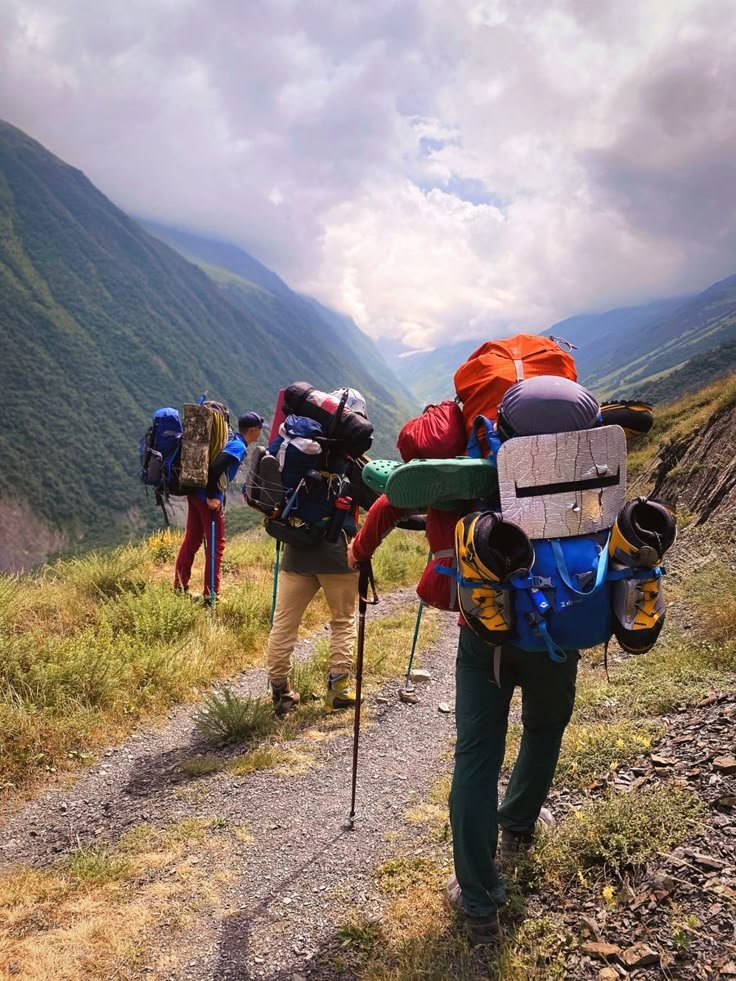
There is a difference between ticking a hike off a list and actually experiencing a mountain range. A list-ticking hike measures itself in kilometres and viewpoints: you walk, you photograph, you leave. An experience moves at a human pace. You notice the irrigation channel beside the path, the walnut trees shading the terrace wall, the sound of a village waking up, the smell of bread baking for a family you pass on the trail.
Every Marrakech Outdoor Hikes trip is built around that second kind of day. Our guides are local Amazigh (Berber) guides who were born in these valleys, speak the language of the villages, and walk these trails every week. They do not just show you the way — they explain what you are looking at, introduce the landscape's rhythms, and set a pace that lets the mountains be experienced rather than crossed.
This page explains what that means in practice: the geography of the High Atlas, the Amazigh culture of its villages, the food and hospitality you may encounter, and how to choose the experience that fits what you want from Morocco.
The Real Atlas Mountains
The High Atlas is Morocco's highest mountain range — a wall of rock that runs roughly east–west across the country and separates the Marrakech plains from the pre-Saharan south. Its highest summit, Mount Toubkal, rises to 4,167 m: the highest peak in North Africa and the roof of the Atlas system.
Geographically, the range matters far beyond Morocco. It blocks the Sahara's heat from the coast, catches the Atlantic storms that keep its northern valleys green, and feeds the rivers that water the plains around Marrakech. That combination — high rock, snowmelt and river valleys — is what makes the northern Atlas so unusually green for a mountain range at the edge of a desert.
Walk into it and the landscape is layered. Deep valleys carry rivers lined with walnut, cherry and apple orchards. Above them, terraced fields climb the slopes in stone-walled steps, irrigated by channels that families have maintained for generations. Above the fields sit the villages — flat-roofed earthen houses built from the mountain itself. And above the villages the trees thin out, giving way to juniper, open pasture and finally the bare, high ground that leads toward Toubkal and the 4,000 m summits.
The landscape changes with altitude and season. In spring the valleys are green and the high passes hold snow; in summer the villages are busy with harvest and the summits are dry; in autumn the light turns amber and walnuts fall; in winter snow settles above the villages and the range reads as a genuine mountain wall from Marrakech. Agriculture and livestock — orchards, barley and walnut terraces, goats and sheep, and the mules that still carry loads between villages — remain part of everyday mountain life.
What surprises most visitors is the contrast with Marrakech itself. The city sits on a hot, dusty plain; the first trailheads are under an hour's drive away, yet the moment you enter a valley the temperature drops, the air smells of walnut leaves and woodsmoke, and the rhythm of life changes to the mountain's. That transition — city to foothills to valley to village — is the real Atlas, and it is the reason an Atlas Mountains experience from Marrakech feels like a genuinely different Morocco.
Amazigh Culture of the High Atlas
The people of the High Atlas are Amazigh — the indigenous people of North Africa, whose presence in the region long predates the arrival of Arabic. "Amazigh" (plural: Imazighen) is the name the people use for themselves; "Berber" is an older external term that you will still meet in travel writing and search results, which is why we mention it here. In these pages we use Amazigh, because that is the respectful, self-chosen name.
Amazigh identity is alive and evolving, not frozen in the past. Families in the Atlas speak Tamazight (the Amazigh language) alongside Arabic and, increasingly, the French and English used in tourism and school. Tamazight has its own script, Tifinagh, which you can see on signs across Morocco — a living script that has returned to public life in recent decades. Village life today mixes the traditional and the modern: terraced farming and mule tracks, but also mobile phones, school runs, guesthouse businesses run by village families, and young people who move between the mountains and the city.
Family and community sit at the centre of mountain life. Villages are organised around extended families; fields, irrigation channels and communal ovens are shared work; weddings and seasonal celebrations gather whole valleys. Houses are built of the mountain itself — stone and packed earth, flat roofs, thick walls that stay cool in summer and hold heat in winter — and the older villages seem to grow straight out of the hillside.
Crafts remain part of everyday culture rather than museum pieces: weaving and carpets, pottery in some valleys, carved wooden doors, silver jewellery, and the practical weaving of ropes and saddle bags from mountain wool. Food is its own culture — bread baked in communal ovens or on the hearth, tagine slow-cooked over fire, couscous on Fridays, walnuts and dried fruit stored for winter, and mint tea poured from height as a gesture of welcome.
Music and celebration matter too: village festivals, weddings with ahidous and other regional dance and song traditions, and the seasonal calendar of planting, harvest and transhumance that still structures the year. And hospitality — the obligation to welcome a guest with tea, shade and food — is not a performance for visitors. It is a genuine social value, and it is the reason a stranger on a mountain trail is far more likely to be invited to sit than to be turned away.
What our guides add to this is context. They can explain what a granary is for, why a field lies fallow, what the symbols on a carpet mean, and when to simply stay quiet and let a village be a village. Amazigh culture is not an attraction to be visited — it is a living culture you are briefly a guest inside, and travelling with a local guide is the difference between watching it and understanding it.
Village Life: What You Actually Notice
Walking through the Atlas, the culture is not in a museum — it is on the path. These are the things visitors most often remember:
- Terraced fields climbing the slopes in stone-walled steps, and the irrigation channels (khettara-fed or spring-fed) that keep them watered
- Orchards of walnut, apple and cherry trees shading the valley floors
- Flat-roofed earthen houses built into the hillside, their rooftops used for drying harvests
- People working the fields — planting, weeding, harvesting by hand, often in family groups
- Livestock on the trails: goats and sheep grazing the slopes, and mules carrying loads between villages
- Village paths worn smooth by generations of the same families
- Children walking to school and families going about ordinary daily life
- Small village shops and gathering places — a shopfront the size of a closet, a café terrace, the village oven
What you see depends entirely on the route, the season and the village. A market-day walk in the Ourika foothills is loud and social; a morning in a high Azzaden hamlet may pass two shepherds and nobody else. Harvest weeks are busy; midday in summer is quiet. Your guide will tell you what today's walk realistically offers — and that honesty is part of a local experience.
Tea, Food & Moroccan Hospitality
In Morocco, welcoming a guest is a cultural obligation, not a service. The gesture that carries it is mint tea — green tea, fresh mint and sugar, poured from height into small glasses. It is offered to guests, neighbours and strangers alike, and accepting it is the polite beginning of any encounter. On our hikes, tea is a regular part of the day: a pause that is also a social moment.
Food in the mountains is seasonal, local and simple in the best sense. Bread baked that morning; tagine slow-cooked with whatever the valley grows; couscous shared from a single dish on Fridays and celebrations; walnuts, almonds and dried figs from the terraces; and, on the guided day hikes we run, a village lunch prepared for the group. Eating together is the social event of the day — you sit, you talk, you eat with your hands from a shared dish, and the meal takes the time it takes.
This is why a tea stop or a lunch stop is not a break from the experience — it is the experience. The walking, the landscape, the food and the conversation are one continuous thing, and rushing any of them would miss the point of being there.
One honest note: not every tour includes the same meals. Our guided day hikes include lunch; multi-day treks include meals and accommodation as listed on each tour page. We never promise a specific dish, host or family meal unless it is genuinely part of the tour you choose — the tour page is the source of truth.
Walking Through a Living Landscape
The Atlas is not only dramatic peaks. It is a working landscape that people have shaped for centuries — and walking it slowly is how you see that.
Below the summits there are green valleys with streams and rivers; terraces of barley and vegetables; fruit trees in blossom or in harvest depending on the month; juniper and holm oak on the middle slopes; then open pasture, scree and the high, bare ground of the passes. The vegetation changes as you climb, and so does the view — from a lane between orchard walls to a panorama across ridgelines toward villages, snow and summit.
Seasons change everything. Spring brings blossom, meltwater and green terraces; summer brings harvest and dry high ground; autumn brings amber light and falling walnuts; winter brings snow above the villages and a range that looks impossible from the hot plain.
And here is the thing many trekkers discover late: a shorter village hike can give a deeper cultural experience than chasing the highest summit. A summit day is about the mountain; a valley day is about the people, fields and food of the mountain. Both are real Atlas experiences — they are simply different ones, and we are happy to help you choose honestly between them.
What You Can Experience With Us
Everything below is an existing Marrakech Outdoor Hikes product or page — nothing invented. Each links to the real tour or guide.
- Atlas Mountains village walks — Multi-day village-to-village trekking through Amazigh valleys
- Imlil and the surrounding villages — The classic guided day hike beneath Mount Toubkal
- Ourika Valley experiences — Riverside villages, gardens and waterfalls an hour from Marrakech
- Imlil destination guide — The gateway village to Toubkal — terraces, orchards and trailheads
- Ourika Valley destination guide — Waterfalls, markets and riverside Berber life
- Mount Toubkal trekking — North Africa's highest peak (4,167 m) in 2 or 3 days
- Guided hikes & treks hub — All seven guided experience types in one place
- Scheduled departures — Upcoming guided departure dates
- Private & custom hiking experiences — Private guides, flexible dates, tailored itineraries
- Family hiking in Morocco — Gentle valley walks suitable for children
Mountain lunches are included on our guided day hikes; tea with local hosts happens where the route and the day genuinely allow it. Photography and viewpoints are part of every route — your guide knows where the light lands and when to stop.
From Marrakech to the Mountains
The journey itself is part of the experience, and it happens fast. You leave the medina — souks, scooters, pink walls — and within minutes the city thins into olive groves and dusty foothills. The road starts to climb; the air cools; the first terraced fields appear. Then you turn into a valley, the walls close in, and suddenly you are in a lane between orchard walls with a river on one side and a village above you.
Marrakech → foothills → valleys → mountain villages → High Atlas landscapes. In under an hour you can stand on a trail above 1,700 m; in about ninety minutes you can be in Imlil, the gateway village to Toubkal. Every tour we run includes the private transfer from your Marrakech accommodation, so the transition happens without you having to organise anything.
That transition is why an Atlas experience changes how visitors see Morocco. The Morocco of the medina and the Morocco of the mountain valley are the same country, an hour apart — and most visitors who only see the first never learn that the second exists.
Why a Local Experience Matters
A local guide changes what a day in the mountains is. Our guides were born in these valleys. That means, in practice:
- They know the village trails — the shortcuts, the safe crossings, which path the mules take today
- They understand local customs — when to accept tea, how to greet an elder, what is private and what is public
- They can explain the landscape and the culture — which crop is growing, what a building is for, what a celebration means
- They speak the language of the villages, so encounters become conversations rather than gestures
- They adapt the pace to the group — slower for families, steadier for trekkers, honest about what a route demands
- They help you understand what you are seeing instead of simply passing through it
We make no claims beyond that. We do not advertise licences or credentials we have not verified — what we can honestly say is that our guides are local Amazigh mountain guides who live and work in these valleys, and that every enquiry is answered personally before anything is confirmed.
What a Day Can Feel Like
An illustrative rhythm — not a fixed itinerary. The exact shape of your day depends on the experience you choose.
- Morning: pickup from your Marrakech accommodation and the drive into the foothills as the city gives way to terraces
- Arrival: the trailhead village — meeting your guide, a first glass of tea, and the first steps on a mountain path
- Walking: through villages, orchards and terraces, with stops to explain what you are passing
- Midday: lunch on our guided day hikes — village food, eaten together, unhurried
- Afternoon: continued walking — a viewpoint, a waterfall, a pass or a valley panorama, depending on the route
- Return: down through the late light and back to Marrakech by evening
Some days are shorter, some are multi-day, and a Toubkal day is a different thing entirely. Tell us what you want the day to feel like and we will match it to a real product honestly.
Respecting the Mountains & the Communities
The villages you walk through are people's homes, not attractions. A little care keeps the experience good for everyone:
- Respect local people and their privacy — a working field and a family courtyard are not a stage
- Ask before photographing people; accept a no gracefully
- Dress appropriately for villages — covered shoulders and knees are appreciated, especially in more remote hamlets
- Take your rubbish with you; leave nothing on the trails
- Respect homes, farms and private land — stay on paths and ask before entering
- Listen to your local guide on etiquette, safety and weather
- Buy local products and services where appropriate — walnuts, honey, carpets and village guesthouses support mountain families
- Remember that you are a guest in a living community, not a visitor at a show
Who Is This Experience For?
This way of travelling suits a particular kind of visitor — maybe you:
- Want culture and nature together, not one at the expense of the other
- Prefer authentic mountain experiences over staged attractions
- Like to travel slower — tea, conversation, a pace you can breathe at
- Care about local food and where it comes from
- Are curious about villages, families and everyday life, not just viewpoints
- Enjoy photography and the light on a terraced hillside
- Like walking without needing a summit as the objective
- Want a private or custom experience shaped around your group
- Want to leave Morocco understanding it a little, rather than having only seen it
Not Every Atlas Experience Is the Same
Choosing honestly is part of a local experience. These are the real formats we offer:
- Easy village walks — Gentle valley walks — Imlil, Ourika, Ouirgane — suitable for most visitors
- Half-day experiences — Shorter walks when your time in Morocco is limited
- Full-day guided hikes — A complete mountain day with transfer, guide and lunch
- Multi-day Atlas trekking — Village-to-village and refuge-based treks across the range
- Mount Toubkal trekking — The 4,167 m summit — a demanding, high-altitude objective
Explore Our Hiking Experiences · Plan Your Atlas Mountains Experience