
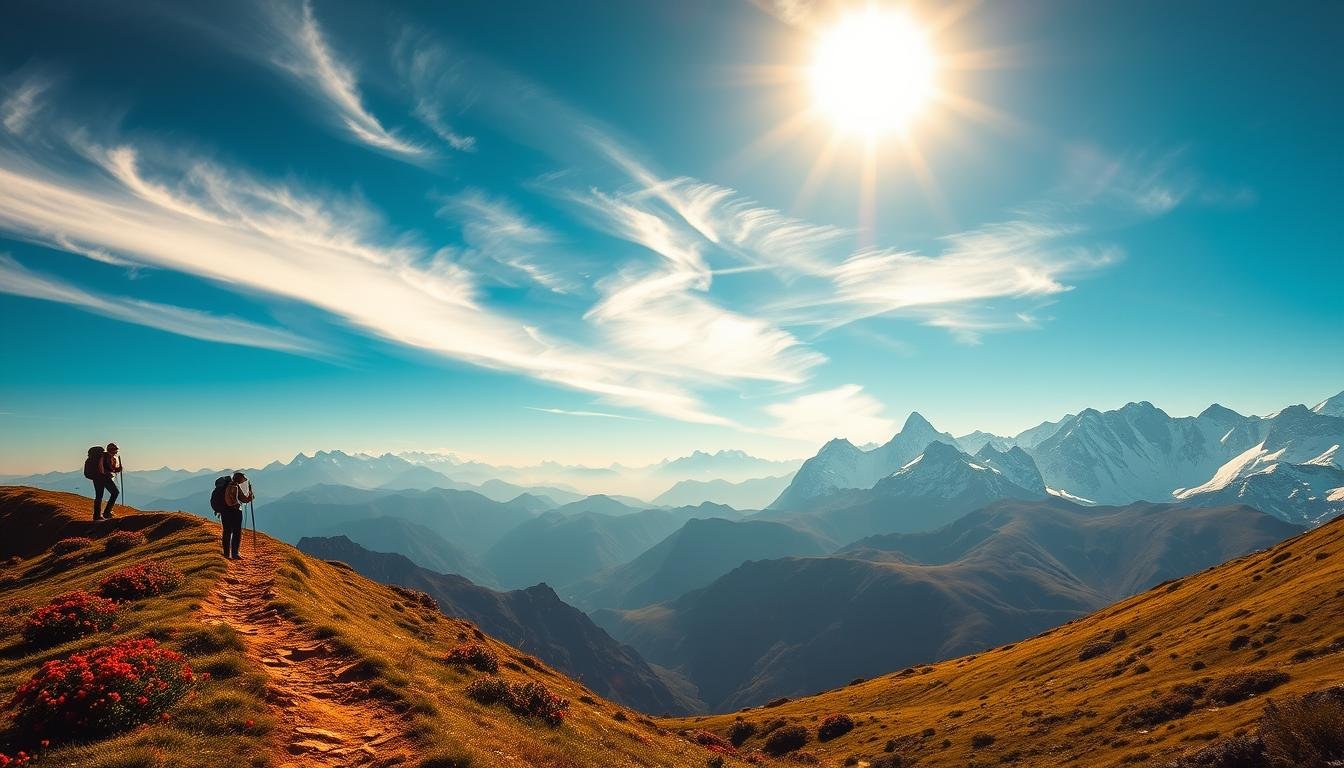
Start on an unforgettable Adventure hike journey through Morocco’s majestic Atlas Mountains, where breathtaking landscapes and cultural immersion await. This 6-day trekking adventure takes you to the highest peak in North Africa, Toubkal, the serene Ifni Lac, and traditional Berber villages.
Experience the thrill of Morocco adventure travel as you challenge yourself on this incredible hike. With its unique blend of natural beauty and cultural richness, this journey promises to create lifelong memories.
Key Takeaways
- Explore the majestic Atlas Mountains on a 6-day trekking adventure
- Reach the highest peak in North Africa, Toubkal
- Visit serene Ifni Lac and traditional Berber villages
- Experience the unique blend of natural beauty and cultural richness
- Create lifelong memories on this incredible hike
The Majestic Atlas Mountains: Morocco’s Trekking Paradise
Morocco’s Atlas Mountains stand as a testament to nature’s grandeur, beckoning adventurers from around the globe. This mountain range is not just a trekking destination; it’s an immersive experience into the heart of Morocco’s natural beauty and rich cultural heritage.
Geography and Significance of the Atlas Range
The Atlas Mountains stretch across Morocco, forming a rugged landscape that is both challenging and rewarding for trekkers. The range is divided into several sections, including the High Atlas, where the famous Mount Toubkal, the highest peak in North Africa, is located. The geography of the Atlas Mountains is characterized by high peaks, valleys, and Berber villages, creating a diverse and vibrant ecosystem.
Why This 6-Day Trek Offers the Ultimate Mountain Experience
This 6-day trek through the Atlas Mountains is designed to offer trekkers an ultimate mountain experience. From the ascent to Mount Toubkal to the serene beauty of Ifni Lac and the cultural immersion in Berber villages, every step of this journey is a discovery. The trek combines challenging trails, breathtaking landscapes, and cultural interactions, making it a holistic adventure.
| Day | Location | Highlights |
|---|---|---|
| 1 | Marrakech to Imlil | Gateway to the High Atlas, Berber culture |
| 2-3 | Imlil to Toubkal Refuge | Ascent to Mount Toubkal, panoramic views |
| 4 | Toubkal Refuge to Ifni Lac | Stunning mountain scenery, serene lake |
The combination of natural beauty, physical challenge, and cultural richness makes this 6-day trek an unforgettable experience. Whether you’re a seasoned trekker or looking for a new adventure, the Atlas Mountains offer a journey that is both exhilarating and enriching.
Planning Your 6-Day Adventure Hike Through the Atlas Mountains: Toubkal, Ifni Lac, and Berber Villages
Embarking on a 6-day adventure hike through the Atlas Mountains requires meticulous planning to ensure a safe and enjoyable journey. Proper planning is key to navigating the challenges of high-altitude trekking and experiencing the rich cultural heritage of the Berber villages.
Best Time of Year for the Trek
The best time to undertake the 6-day trek is during spring (March to May) and autumn (September to November), when the weather is mild and conducive to hiking. Avoid trekking during the peak summer months due to extreme heat and potential snowstorms in winter.
Physical Preparation and Fitness Requirements
A good level of physical fitness is essential for this trek. Regular cardiovascular exercises and strength training can help prepare you for the demands of high-altitude hiking. It’s also advisable to acclimate to higher elevations before embarking on the trek.
Booking Options: Guided vs. Independent Trekking
You can choose between guided tours and independent trekking. Guided tours offer the benefit of local knowledge and logistical support, while independent trekking provides more flexibility. Consider your experience and preferences when deciding.
| Booking Option | Guided Tours | Independent Trekking |
|---|---|---|
| Local Knowledge | Expert guides | Self-navigation |
| Logistical Support | Full support | Self-arranged |
| Flexibility | Limited | High |
“The Atlas Mountains offer a unique blend of natural beauty and cultural richness, making the 6-day trek a truly unforgettable experience.”
Logistics and Permits for Atlas Mountain Trekking
Before embarking on your Atlas Mountains trekking adventure, it’s essential to understand the logistics and obtain the necessary permits. Proper planning ensures a smooth and enjoyable experience in one of Morocco’s most breathtaking regions.
Required Documentation and Park Fees
Trekking in the Atlas Mountains requires certain documentation and fees. Park fees are mandatory and contribute to the conservation of the area. Ensure you have a valid passport and any required visas. It’s also advisable to have travel insurance that covers emergency medical evacuations.
- Valid passport
- Required visas
- Travel insurance
- Park fees
Finding Reputable Guides and Tour Operators
Engaging a reputable guide or tour operator can significantly enhance your trekking experience. They provide valuable insights into the local culture, ensure your safety, and help navigate the terrain. Look for operators that are certified and have positive reviews.
“A good guide can make all the difference between a good trek and a great one.”
Transportation Options to and from Trailheads
Transportation to and from the trailheads can be arranged through your tour operator or independently. Options include private transfers, public buses, and shuttle services. It’s essential to research and book in advance to ensure availability.
Essential Gear and Packing List for High-Altitude Trekking
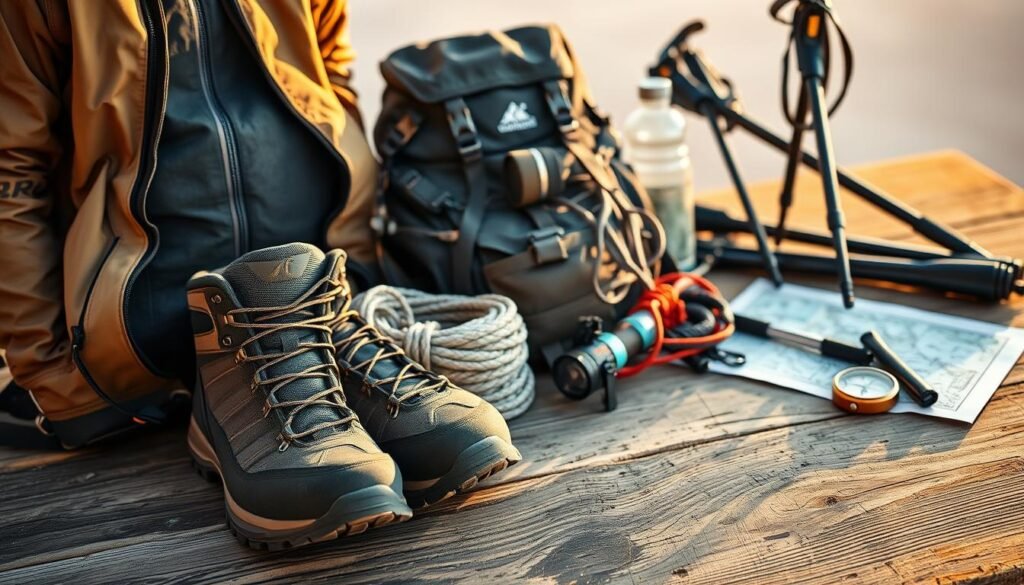
To ensure a safe and enjoyable trekking experience in the Atlas Mountains, it’s crucial to pack the right gear. High-altitude trekking demands a thoughtful approach to what you bring along, as the right equipment can significantly enhance your adventure.
Clothing and Layering for Variable Mountain Weather
Layering is key when it comes to clothing for high-altitude trekking. The weather in the Atlas Mountains can be unpredictable, with significant temperature fluctuations between day and night. Pack breathable, moisture-wicking base layers, insulating mid-layers, and waterproof outer layers to stay comfortable. Don’t forget a warm hat, gloves, and a scarf for colder conditions.
Technical Equipment and Hiking Essentials
Having the right technical equipment is vital for navigating the challenging terrain of the Atlas Mountains. Sturdy hiking boots with good grip are a must, along with trekking poles for added stability. Other essentials include a reliable backpack, a water filtration system, and a first-aid kit. Make sure your backpack is comfortable and has enough capacity for your gear.
Health and Safety Supplies
Health and safety should be your top priority when trekking at high altitudes. In addition to a first-aid kit, consider packing altitude sickness medication, pain relievers, and any personal medications. It’s also wise to bring along emergency shelter and a means of communication, such as a satellite phone, in case of unexpected weather changes or other emergencies.
Day 1: Marrakech to Imlil – Gateway to the High Atlas
Leaving the bustling streets of Marrakech behind, your 6-day trek through the Atlas Mountains starts with a picturesque drive to Imlil village. This initial journey sets the tone for your adventure, offering a glimpse into the natural beauty and cultural richness that awaits.
The Journey from Marrakech
The drive from Marrakech to Imlil is approximately 65 kilometers, taking about an hour through the winding roads of the Atlas Mountains. As you ascend, the landscape transforms, revealing the majestic peaks and valleys that characterize this region. You’ll pass through traditional Berber villages and olive groves, getting your first taste of the local culture and scenery.
Key Highlights of the Journey:
- Scenic views of the Atlas Mountains
- Traditional Berber villages along the route
- Olive groves and terraced fields
Exploring Imlil Village
Upon arrival in Imlil, you’ll have the opportunity to explore this charming village, known for its welcoming atmosphere and traditional architecture. Take a stroll through the narrow streets, visit local cafes, and interact with the friendly Berber community. Imlil serves as the gateway to the High Atlas, and your time here will help you acclimate to the local environment before embarking on your trek.
Notable Activities in Imlil:
- Visiting local cafes and shops
- Interacting with the Berber community
- Exploring traditional Berber architecture
Preparing for the Trek Ahead
Your time in Imlil is also crucial for preparing for the trek ahead. Ensure you have all necessary gear, check your equipment, and review your itinerary. Guides and local outfitters can provide valuable insights and assistance, helping you prepare for the challenges and rewards of your Atlas Mountains adventure.
Preparation Checklist:
- Verify trekking gear and equipment
- Review itinerary and weather forecast
- Consult with guides and local outfitters
Day 2: Imlil to Toubkal Refuge – The Ascent Begins
As you leave Imlil behind, the trail to Toubkal Refuge unfolds, revealing the rugged beauty of the Atlas Mountains. This day marks the beginning of your ascent, where the landscape transforms into a challenging yet rewarding trek.
Trail Description and Terrain
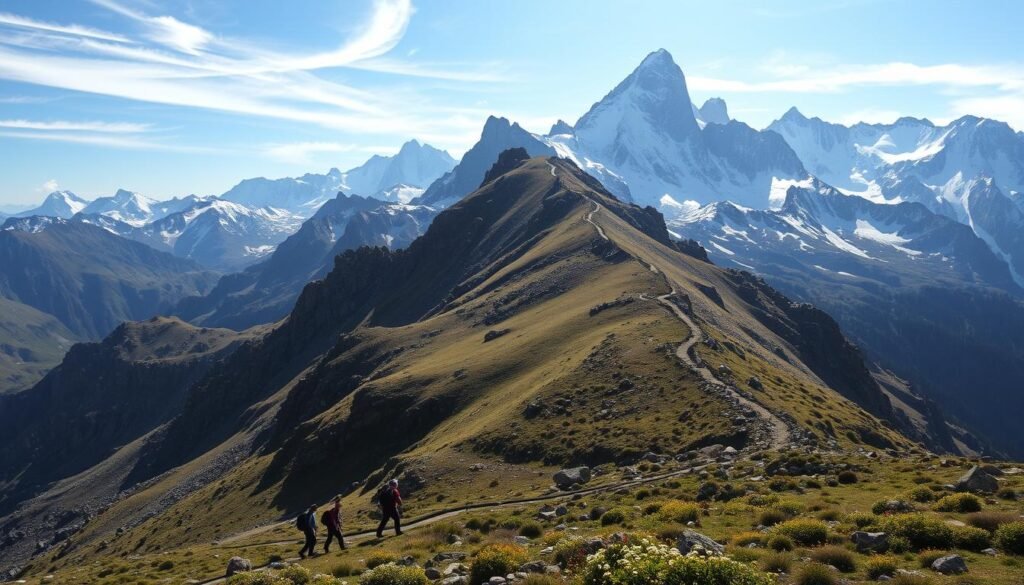
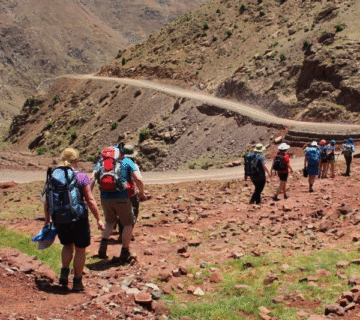
The trail from Imlil to Toubkal Refuge is characterized by its steep ascent and rocky terrain. As you climb higher, the air cools, and the vegetation changes, offering a unique glimpse into the region’s diverse flora. The Toubkal ascent is a thrilling experience, with the path becoming increasingly rugged as you near the refuge.
Notable Landmarks and Viewpoints
Along the trail, several viewpoints offer breathtaking vistas of the surrounding mountains and valleys. Notable landmarks include traditional Berber villages and ancient irrigation systems, showcasing the rich cultural heritage of the region. As you ascend, the views become increasingly spectacular, making the challenging hike worthwhile.
Overnight at the Mountain Refuge
After a day of hiking, you’ll arrive at the Toubkal Refuge, where you can rest and acclimate to the higher altitude. The mountain refuge stay provides an opportunity to enjoy the serene mountain environment and prepare for the summit push ahead. The refuge offers basic amenities and a chance to connect with fellow trekkers, sharing stories of the day’s adventures.
Day 3: Conquering Mount Toubkal – North Africa’s Highest Peak
Day 3 marks the pinnacle of our journey, literally, as we tackle the ascent of Mount Toubkal, standing tall at 4,167 meters. This day is the highlight of our 6-day adventure hike through the Atlas Mountains.
The Summit Push: Route and Challenges
The ascent to Mount Toubkal’s summit is a challenging yet rewarding experience. The route is steep and demanding, requiring a good level of physical fitness. Trekkers should be prepared for variable mountain weather, which can change rapidly. The climb is not technical, but it is strenuous, making it essential for participants to be well-rested and hydrated.
Panoramic Views from 4,167 Meters
Upon reaching the summit, trekkers are rewarded with breathtaking panoramic views of the Atlas Mountains. On a clear day, the views stretch across the rugged landscape, offering a glimpse into the vast expanse of North Africa’s highest peak. It’s a moment of triumph and awe, capturing the essence of our adventure.
Descent to Toubkal Refuge
The descent from the summit back to Toubkal Refuge requires caution, as the terrain can be slippery and uneven. Trekkers should take their time, carefully making their way down the mountain. The return to the refuge is a moment to reflect on the achievement of conquering Mount Toubkal, with the comfort of rest and refreshments awaiting.
As we conclude Day 3, the sense of accomplishment is palpable, setting a positive tone for the remainder of our journey through the Atlas Mountains.
Day 4: Toubkal Refuge to Ifni Lac – Hidden Mountain Gem
Day 4 of our adventure takes us from Toubkal Refuge to the serene Ifni Lac, a hidden gem nestled in the heart of the Atlas Mountains. The journey is as captivating as the destination, with breathtaking views and unique landscapes at every turn.
Traversing the High Mountain Passes
The trek from Toubkal Refuge involves traversing high mountain passes, where the rugged terrain is offset by the stunning vistas of the surrounding peaks. As we ascend, the air crisps, and the landscape transforms into a mosaic of rocky outcrops and sparse, hardy vegetation. The challenge of the high passes is rewarded with panoramic views that stretch across the Atlas range.
Arrival at the Stunning Ifni Lac
Upon arriving at Ifni Lac, the tranquility of the surroundings envelops us. The lac, or lake, is a picturesque spot, reflecting the surrounding mountains like a mirror. It’s a perfect place to rest and rejuvenate, taking in the serene beauty of this hidden corner of the Atlas Mountains.
Photography Opportunities and Memorable Moments
Ifni Lac offers numerous photography opportunities, from capturing the play of light on the water to the majestic mountains rising above. It’s a place where every moment can become a memorable snapshot, preserving the essence of this incredible trek.
| Location | Highlights | Best Time to Visit |
|---|---|---|
| Ifni Lac | Serene lake, panoramic views, photography | Early morning or late afternoon |
| Toubkal Refuge | Mountain refuge, trekking hub, scenic views | Any time during the trek |
| High Mountain Passes | Rugged terrain, stunning vistas, challenging trek | Mid-day for clear views |
Day 5: Berber Culture and Village Life in the Atlas Mountains
On Day 5 of our adventure, we delve into the heart of Berber culture and village life. This day is a unique opportunity to experience the rich cultural heritage of the Atlas Mountains, where ancient traditions and modern life blend seamlessly.
Traditional Architecture and Daily Life
The Berber villages in the Atlas Mountains are characterized by their traditional architecture, with houses made from local stone and earth. As we walk through these villages, we gain insight into the daily lives of the Berber people, observing their customs and way of life. The villagers welcome us warmly, offering a glimpse into their traditional homes and sharing stories of their ancestors.
Cuisine and Dining with Local Families
One of the highlights of our visit is dining with local Berber families, where we are treated to traditional Berber cuisine. The meals are prepared with locally sourced ingredients and cooked over open fires, offering a delicious taste of the region’s culinary heritage. Sharing a meal with the Berber families provides a deeper understanding of their culture and hospitality.
Ancient Traditions and Customs of the Berber People
The Berber people have a rich cultural heritage, with ancient traditions and customs that are still practiced today. We have the opportunity to witness or participate in traditional Berber ceremonies and learn about the significance of these customs. This cultural immersion enriches our trekking experience, providing a unique perspective on the history and way of life in the Atlas Mountains.
Conclusion: The Transformative Power of Atlas Mountain Adventures
Embarking on a 6-day adventure hike through the Atlas Mountains is a journey that transcends the ordinary, offering a transformative trekking experience that resonates deeply. As you traverse the majestic peaks, serene valleys, and traditional Berber villages, the Atlas Mountains adventure unfolds into an unforgettable odyssey.
The rugged terrain of the Atlas Mountains challenges and rewards trekkers with breathtaking vistas, while the warm hospitality of the Berber people enriches the journey with cultural immersion. Morocco trekking, in this context, becomes more than just a physical activity; it’s a path to self-discovery and connection with nature.
As you conclude your trek, the memories of the stunning Ifni Lac, the triumph of conquering Mount Toubkal, and the warmth of Berber hospitality linger, leaving a lasting impact. The Atlas Mountains adventure is a testament to the power of nature to transform and inspire, beckoning adventurers to return and explore further.

No comment